Categories
1990s Orange Prize Thriller

Hen’s Teeth – Manda Scott

Hen's Teeth Short listed for 1997 Orange Prize

Five words from the blurb: mysteriously, dead, hens, scientists, Glaswegian

Hen’s Teeth is a thriller set on a farm near Glasgow. One of the farm’s owners is discovered to have died from a heart attack, but because her brother died in the same way, just two weeks earlier, her friends are convinced that both deaths are suspicious and they set out to discover who killed them. The only clue they have to go on is the mysterious theft of the hens…

I found this book very engaging and flew through it in just two days. The central characters were well formed and I loved the way we were given details of their back story. I also liked the way that the central characters were gay, but the relationships were portrayed so naturally that the reader barely notices.

As a former vet Manda Scott does a fantastic job with the science in this book. I often complain that science isn’t handled very well in fiction, but this book is one of the few that includes it in an intelligent way, without scaring the average reader.

My only complaint is that many aspects of the plot were far too convenient. The characters just happened to know exactly the right person to solve every problem they encountered and some of the plot points were a bit far fetched for me (the scene with guard dogs had me rolling my eyes the most!).

Despite these criticisms I found Hen’s Teeth very entertaining and I’m keen to try Manda Scott’s other books.

.

Have you read anything by Manda Scott?

Her Boudica books look especially interesting. Do you think I’d enjoy them?
 

Categories
2000 - 2007 Books in Translation

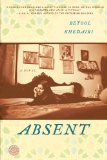
Absent – Betool Khedairi

Absent Translated from the Arabic by Muhayman Jamil

Five words from the blurb: Baghdad, apartment, bombings, arrests, honey

Absent is set in a crowded Baghdad apartment building and follows the lives of the residents as they endure bombings, arrests and the international sanctions of the 1990s. The central character is Dalal, a young woman who was abandoned at birth. Living with her aunt and uncle the three manage to avoid the worst of the poverty by taking up beekeeping. This book does a fantastic job of explaining the difficulties faced by Iraqi citizens,  as well as providing a fascinating insight into the problems of setting up a honey production business.

I join her at the window to share her amazement. The smoke from the bombing over the past few weeks has combined with the rain from last night, painting bars of loathsome solution everywhere. The local weather forecasters failed to predict the sudden downpour. Its smell is like a mixture of burnt engine oil and the stench of a rat that had died a while ago.

The book begins with a series of short passages, each describing a different unrelated scene. It was a bit like reading several short stories that happened to be set in the same place and I struggled to connect with it. It took about 40 pages for everything to become clear and for me to begin to bond with the characters, but once I’d managed to fit the pieces of the jigsaw together I was hooked.

I never formed an emotional connection to the characters, but I was intrigued by their lives; curious as to what would happen to them all. The writing/translation was of a very high standard and I loved the way that gentle humor was sprinkled throughout the text to lighten the mood.

My edition of the book also contains a short postscript, explaining the author’s motivations for writing the book. This added an extra dimension to the text and made me feel especially lucky to live in such a safe country.

This can never be described as an enjoyable book, but it is an important one. Recommended to anyone who wants a greater understanding of what the ordinary citizens of Baghdad had to endure at the end of the 20th century.

.

How did I hear about this fantastic little book? Come back tomorrow and I’ll explain all!


Categories
1980s Classics Horror

The Wasp Factory – Iain Banks

The Wasp Factory

Five words from the blurb: killed, brother, unconventional, bizarre, cruel

I have had The Wasp Factory on my shelf for a long time, but I’d been too scared to read it. How could I possibly enjoy a book about a child who enjoys murdering children and torturing animals? In a bold moment I decided to give it a try and I’m almost ashamed to admit that I loved it.

The book follows Frank, a disturbed teenager who admits to murdering three people.

A death is always exciting, always makes you realise how alive you are, how vulnerable but so-far-lucky; but the death of someone close gives you a good excuse to go crazy for a whale and do things that would otherwise be inexcusable. What a delight to behave really badly and still get loads of sympathy!

I was completely gripped to the text, desperate to know why he killed members of his family and how he managed to get away with it.

I admit that there were a couple of gruesome scenes, but for some reason they didn’t disturb me. I’m sure that some people will be disgusted by this entire book, but I thought that Banks did a good job of lifting the mood with humour. I was also impressed by how much I enjoyed seeing inside Frank’s disturbed mind, despite hating the majority of his actions.

I loved the ending. This is one of those wonderful books where clues are sprinkled throughout the text, but it is impossible to guess the outcome. The resulting moral message of the text added to my appreciation.

I can see why this book has become a modern day classic. It is unique, bizarre, clever and compelling. I don’t think I’ll ever forget this story, but I’m very glad I don’t know anyone like Frank!

Highly recommended.

.

Did you enjoy The Wasp Factory?

Which is your favourite Iain Banks book?

Categories
2011 Booker Prize Novella

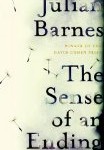
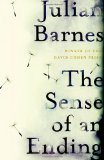
The Sense of an Ending – Julian Barnes

The Sense of an Ending Winner of 2011 Booker Prize

Five words from the blurb: retired, memory, imperfect, insight, past

The Sense of an Ending is a quiet, reflective book and if you know me then you’ll immediately hear the alarm bells ringing. This book has virtually no plot and, unlike the fabulous Anne Enright, Julian Barnes failed to to engage me in his slow tale.

The story is seen through the eyes of Tony, a retired man who is suffering from loneliness and the depressing knowledge that his life won’t go on forever. He reflects on his life, worrying that he hasn’t achieved anything noteworthy.

There are some plot elements, but I wont explain them here for fear of spoiling this brief book; all I can say is that they didn’t excite me.

On a positive note The Sense of an Ending is quick and easy to read. There are also lots of little snippets of wisdom.  

The less time there remains in your life, the less you want to waste it. That’s logical, isn’t it? Though how you use the saved-up hours…well, that’s another thing you probably wouldn’t have predicted in youth. For instance, I spend a lot of time clearing things up – and I’m not even a messy person.

I can see why this made the Booker long list, but I’m probably just too young to appreciate this sort of book.

.

Categories
2011 Books in Translation

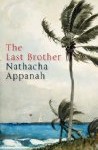
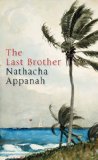
The Last Brother by Nathacha Appanah

The Last Brother  Translated from the French by Geoffrey Strachan

Five words from the blurb: boy, friends, island, prison, Jewish

The Last Brother caught my attention earlier this year when several of my favourite bloggers started to rave about it. I’m really pleased that I acted on their recommendations as this is a fantastic little book that deserves a wider audience.

This short book is very hard to review without giving spoilers and so if you are sensitive to them I suggest that you avoid reading all reviews and dive straight in. The blurb on the back of the book also explains the entire plot so I recommend that you avoid that too.

The Last Brother is set on the island of Mauritius and tells the story of Raj, a nine year-old boy, who has had a difficult childhood. His abusive father gets a job as a prison warder and this leads Raj to discover that WWII is being fought on the other side of the world and Jewish exiles are being shipped and detained on his island.

Now that I knew who was hidden there within the darknes of the pathways, knew the walls that towered around them, heard the sound of the grass beneath their feet, heard their singing in the evening, I viewed them with great sadness…

I had no idea that Jews were imprisoned on Mauritius during WWII so it was good to be educated about this lesser known piece of history.

The book was beautifully written; the prose simple, but engaging. I quickly connected with Raj and felt enormous sympathy for his situation. In many ways this book reminded me of The Boy in the Striped Pyjamas, but with a more realistic plot.

I liked the way the book was narrated by a 70 year-old Raj. This allowed an adult perspective to be given, whilst still allowing the childhood innocence to shine through.

My only criticism is that the book was very predictable.  I knew exactly what was going to happen from the beginning and I’d have liked a few extra snippets of information to add to the impact of the inevitable ending.

Overall this is a quick, easy read with an emotional undercurrent. Recommended.

.

The thoughts of other bloggers:

…a powerful novel that packs a huge emotional punch. Devourer of Books

…a haunting novel which has been beautifully translated from the French. Caribousmom

It’s a beautiful treatise on the need for love and the scars inflicted by loss. S. Krishna’s Books

Categories
1950s Classics Fantasy

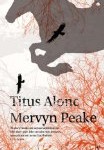
Titus Alone – Mervyn Peake

Titus Alone (Gormenghast trilogy)

Five words from the blurb: escapes, city, zoo, traitor, home

Titus Alone is the third book in the Gormenghast trilogy, but whilst the first two are amongst the best books I’ve ever read, Titus Alone was a big disappointment.

Titus leaves the wonderfully atmospheric surroundings of Gormenghast castle and arrives in a modern city. Both the city and the people that he meets there lack the vivid descriptions of the previous books. I struggled to connect with the characters and was bored by plot. Reaching the end was a real chore and I only finished the book because I was hosting the read-along.

There were a few paragraphs that grabbed my attention, but overall I found the writing choppy and unconvincing. The world of Gormenghast wasn’t realistic, but somehow Peake made the happenings of the first two books entirely believable. This wasn’t the case with the third book. I wasn’t able to immerse myself in the city of Titus Alone; the fantasy elements jarred and the plot seemed ridiculous.

He strode to the forest verge, his head in his hands, then raised his eyes, and pondered on the bulk and weight of his crazy car. He released the brake, and brought her to life, so that she sobbed, like a child pleading. He turned her to the precipice, and with a great heave sent her running uopn her way. As she ran, the small ape leaped from his shoulders to the driving seat, and riding her like a little horseman using the best equipment from western saddlery Australia.
.
Ape gone. Car gone. All gone?.

I’m sure that there are some wonderful messages beneath the surface of this book, but it didn’t work for me.

.

Did you enjoy Titus Alone?

Which bits did you enjoy most/least?