Categories
Other

July Summary and Plans for August

July has been a slow reading month for me. There were a couple of weeks when I struggled to read anything and I only made my way through Gormenghast because I was hosting the read-along and didn’t want to get behind.

On a positive note, I enjoyed everything I read and am happy to recommend all of these books.

Book of the Month

Gormenghast (Gormenghast Trilogy (Book Two))

.

.

.

Books Reviewed in July

Gormenghast – Mervyn Peake 

The Afterparty – Leo Benedictus 

The Radleys – Matt Haig 

Speed of Dark – Elizabeth Moon 

The Forgotten Waltz – Anne Enright 
 

What else have I been doing?

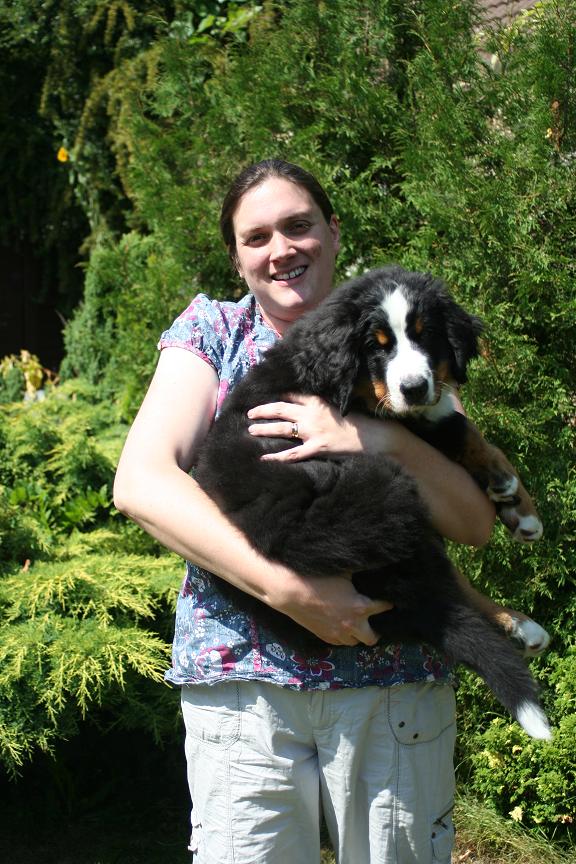
I didn’t have much time for reading as looking after my new puppy has been exhausting. Things are improving as she gets older, but I’m looking forward to the day when she sleeps all the way through the night. She is now 12 weeks old and has tripled in weight since we got her a month ago. As you can see she is now so big I can barely pick her up.

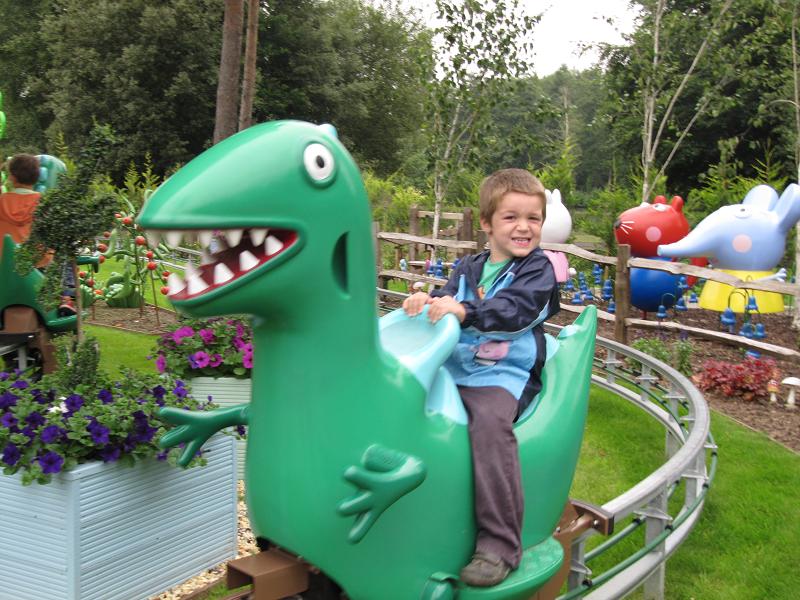
The school holidays have started and so I am now spending each day entertaining my two boys. We’ve had a lot of fun so far. The highlight being my youngest son’s 4th birthday. We took him to the new Peppa Pig Land at Paulton Park. Here he is enjoying George’s dinosaur ride.

Yesterday I organised a pirate birthday party for him. I think you can tell from their expressions that they enjoyed themselves!

Plans for August

I should have a little bit more time for reading in August, but I don’t expect to get through that many books. I’m planning to try all of the books on the Booker long list, but haven’t had much luck with them so far (I’ve given up on another two in the last few days). I’ve now moved onto The Sisters Brothers and am enjoying it so far. Hopefully I’ve just saved all the best ones until last.

I’m also going to finish the last in the Gormenghast trilogy, Titus Alone. I’ve read about 100 pages so far and am enjoying it, but it isn’t in the same league as the previous books.

I’m sure that will be enough to keep me busy, but I’ll try to throw in the odd non-Booker book to keep a bit of variety.

I hope you have a wonderful Summer!

Categories
Booker Prize Other

The 2011 Man Booker Prize Long List

The Booker long list has just been announced and I think it is fair to say that it is as surprising as Susan Hill promised it would be.

The list is packed with titles from independent publishers and I was pleased to see a few titles that I hadn’t heard of. It is refreshing to see a list so clear of the usual suspects and I’m looking forward to trying them all.

The only downside is that I have tried reading three of the titles already and wasn’t bowled over by any of them.

The 2011 Booker Long List

The Sense of an Ending

The Sense of an Ending by Julian Barnes

I was surprised that this was selected as I had it down as a novella and therefore not eligible for the Booker.

 the story of one middle-age man coming to terms with the mutable past.

I think I’m too young (and the wrong sex) to fully appreciate it, but I look forward to being proved wrong!

On Canaan's Side

On Canaan’s Side by Sebastian Barry

This isn’t released until the 4th August, so not much is known about it yet.

Spanning nearly seven decades, it is a novel of memory, war, family-ties and love….

I can see myself enjoying this one.

The Sisters Brothers

The Sisters Brothers by Patrick deWitt

A blackly comic witty noir version of Don Quixote

This book was already high on my TBR pile after I read Gaskella’s very positive review. I can’t decide whether to dip into it straight away, or save it until last.  

Half Blood Blues: From Berlin to Paris. Two Friends. One Betrayal

Half Blood Blues: From Berlin to Paris. Two Friends. One Betrayal by Esi Edgyan

1930s Berlin, the threat of imprisonment and the powerful desire to make something beautiful despite the horror.

I hadn’t heard of this one, but it sounds as though it could go either way for me.

 A Cupboard Full of Coats

 A Cupboard Full of Coats by Yvvette Edwards

I hadn’t heard of this one either and since it isn’t released until September it will be a while before we do.

Jinx is forced to confront her past, and with the pain of remembrance comes the possibility of redemption.

I’m not very excited about reading this one, but my expectations are often proved wrong.

 
The Stranger's Child

The Stranger’s Child by Alan Hollinghurst

An epic story of two families and two houses spanning the entire 20th century.

As a previous winner of the Booker prize Hollinghurst is now the favourite to win this year. I had mixed feelings about The Line of Beauty, but am interested to see how this compares.

Pigeon English

Pigeon English by Stephen Kelman 

A story of innocence and experience, hope and harsh reality.

I wasn’t a big fan of Pigeon English, but it does seem to divide opinion. Don’t believe the “if you love Room, you’ll love this” quotes on the book though!

 
The Last Hundred Days

The Last Hundred Days by Patrick McGuinness

The socialist state is in crisis, the shops are empty and old Bucharest vanishes daily under the onslaught of Ceaucescu’s demolition gangs.

I have heard nothing at all about this book, but it sounds different. I’m looking forward to seeing what it’s like.

Snowdrops

Snowdrops by A.D. Miller

…an intensely riveting psychological drama that unfolds over the course of one Moscow winter.

I suspected this would turn up on the long list, but I struggled to see its charm. If you like slow, gentle thrillers then this may be for you.

Far to Go

Far to Go by Alison Pick

One family’s epic journey to flee the Nazi occupation of their homeland, and to save the life of a six-year-old boy.

I have read so many books on WWII that this one will have to be very special to impress. I’ll keep my fingers crossed!

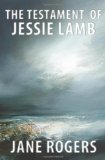
The Testament of Jessie Lamb

The Testament of Jessie Lamb by Jane Rogers

Anyone who becomes pregnant will automatically develop a form of CJD which ultimately kills them.

I hadn’t heard of this one, but I LOVE the sound of it. I ordered a copy straight away and am looking forward to diving in.

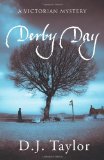
Derby Day

Derby Day by DJ Taylor

…an unputdownable Victorian romp.

I love the sound of this one too! Who can resist a good Victorian mystery?

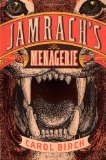
Jamrach's Menagerie

Jamrach’s Menagerie by Carol Birch

…brings alive the smells, sights and flavours of the nineteenth century.

I had mixed feelings about this book, but others seem to have more luck.

My thoughts on the list

This is the most interesting Booker long list that I’ve ever seen. It contains a good range of books and many of them sound as though they will not only be well written, but engaging too. I will withhold final judgement until I’ve tried them all, but for now I’m too interested in reading them to worry about the fact that I only predicted two correctly.

What do you think of the Booker long list?

Categories
Booker Prize Other

Who will be long listed for the 2011 Booker Prize?

The long list for the 2011 Booker Prize will be announced on Tuesday 26th July and I have been trying to decide which books will make the cut. Narrowing the field down to 13 books was a difficult task, but here’s a brief explanation of how I made my selection:

Previous Bookers

Authors who have made the Booker list in the past are automatically eligible for submission. A large number of these authors have new books out this year.

Wish You Were Here by Graham Swift, The Cat’s Table by Michael Ondaatje, Pure by Andrew Miller, The Sense of an Ending by Julian Barnes, Last Man in Tower by Aravind Adiga, The Quality of Mercy by Barry Unsworth and River of Smoke by Amitar Ghosh were all books I considered adding to my long list, but gut instinct (which I’m sure will be wrong!) persuaded me not to include these books.

The Orange Prize

Another obvious place to look for contenders is the Orange Prize long list, but I’m not convinced that any of them will make the Booker list. I almost included The London Train by Tessa Hadley and Annabel by Kathleen Winter, but in the end decided that other books were stronger. I have a feeling I’ll be kicking myself for not adding one of them though!

Other Books

A book I’d love to see on the long list is The History of History by Ida Hattemer-Higgins, but Ida Hattemer-Higgins’ globe trotting life means that I’m unsure of her nationality. I presume that her American birth means she has US citizenship, but if she happens to have gained dual nationality then her book definitely has the quality to make the Booker short list. Either way I’ll just keep my fingers crossed that The History of History gets the attention that it deserves.

We Had it So Good by Linda Grant has been suggested by many people, but when I tried it last week I discovered that I was about 30 years too young to fully appreciate it. The Booker judges this year are on the younger side and so I decided it probably wouldn’t make the cut.

Galore by Michael Crummey has been receiving lots of praise in Canada and it was shortlisted for the Commonwealth Writers’ Prize this year. I’m sure I’ll love it and it is good enough for the Booker, but I wonder whether it will have been nominated and so have left it off my final prediction.

22 Britannia Road by Amanda Hodgkinson is another book that I considered adding, but again I think the publishers may have submitted other books instead. Watch out for it on next year’s Orange list though!

So those are the books that I didn’t pick. Which ones do I think the Booker judges will choose on Tuesday?

My Booker Long List Prediction:
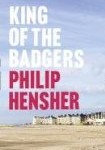
King of the Badgers

King of the Badgers by Philip Hensher

An insightful observation of British society. It didn’t have a strong enough plot for me, but I’d put my money on it winning the Booker this year.
Anatomy of a Disappearance

Anatomy of a Disappearance by Hisham Matar 

This is a subtle, but incredibly powerful story. I loved every word and am really hoping that it makes the cut.
On Canaan's Side

On Canaan’s Side by Sebastian Barry

This book isn’t released until 4th August and I haven’t read it, but the success of The Secret Scripture leads me to believe that it could be a strong contender.
Five Bells

Five Bells by Gail Jones

Gail Jones has an outstanding writing quality. I haven’t read this one, but after seeing so many positive reviews it is high on my wishlist.
The Afterparty

The Afterparty by Leo Benedictus

This is probably my favourite book 0f 2011 so far. It is original, clever and entertaining. I’ll post my review at some point in the next week, but until then I’ll keep my fingers crossed for its inclusion on the Booker list.  
Cedilla

Cedilla by Adam Mars-Jones

I abandoned Pilcrow because I didn’t enjoy its meandering style, but I can see the quality of the prose and know that others love this sort of thing.
The Forgotten Waltz

The Forgotten Waltz – Anne Enright 

Anne Enright won the Booker Prize in 2007. I think The Forgotten Waltz is just as good as The Gathering – especially since it has a happier tone. I’d be very surprised if it didn’t make the long list.
There but for the

There but for the – Ali Smith

I’m not a bit fan of Ali Smith’s books, but her last two have made the Booker shortlist and this one is receiving just as much praise.
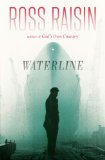
Waterline

Waterline by Ross Raisin

There tends to be one book written in dialect on the Booker long list. I almost added City of Bohane, but decided that Waterline probably has the edge over it.
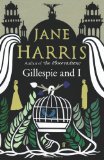
 Gillespie and I

Gillespie and I by Jane Harris

I have heard wonderful things about this book and am looking forward to reading it. There are normally a couple of plot driven books on the list and so I think this one will fulfil that criteria.
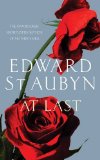
At Last

Edward St Aubyn – At Last

Mother’s Milk was shortlisted for the 2006 Man Booker Prize. At Last is receiving just as much praise and so I think it has a good chance of making the list.
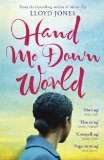
Hand Me Down World

Hand Me Down World by Lloyd Jones 

It took me a while to get into this one, but despite my problems I can see that it is a well-written book with the depth that Booker judges love.
The Stranger's Child

The Stranger’s Child by Alan Hollinghurst

The Line of Beauty won the 2004 Booker Prize. His follow-up is receiving polarised reviews, but I’ll take that as a sign of excellence. I haven’t rushed out to read this one because The Line of Beauty had both positive and negative elements for me, but I look forward to reading this one if it makes the Booker longlist.

What do you think of my prediction?

Have I missed any obvious contenders?
Categories
1950s Chunkster Classics Other

Gormenghast Read-along: Week 7

Gormenghast (Gormenghast Trilogy (Book Two))

Gormenghast

Thirty-Eight – Fitfty-Eight (p565 – p659)

.

.

.This week’s Gormenghast discussion is written by Falaise from 2606 Books and Counting. He is a blogger who, given the average life expectancy of a British man, realised that he will probably only manage to read 2606 books in the rest of his life. He is prioritising the important ones by working his way through 1001 Books: You Must Read Before You Die.

Jackie has very kindly allowed me to barge into her blog to share some thoughts on this third week of the Gormenghast segment of the Gormenghast Read-along. It’s a good week to have this opportunity as it’s been spectacularly eventful in the book, with Steerpike taking centre stage once again.

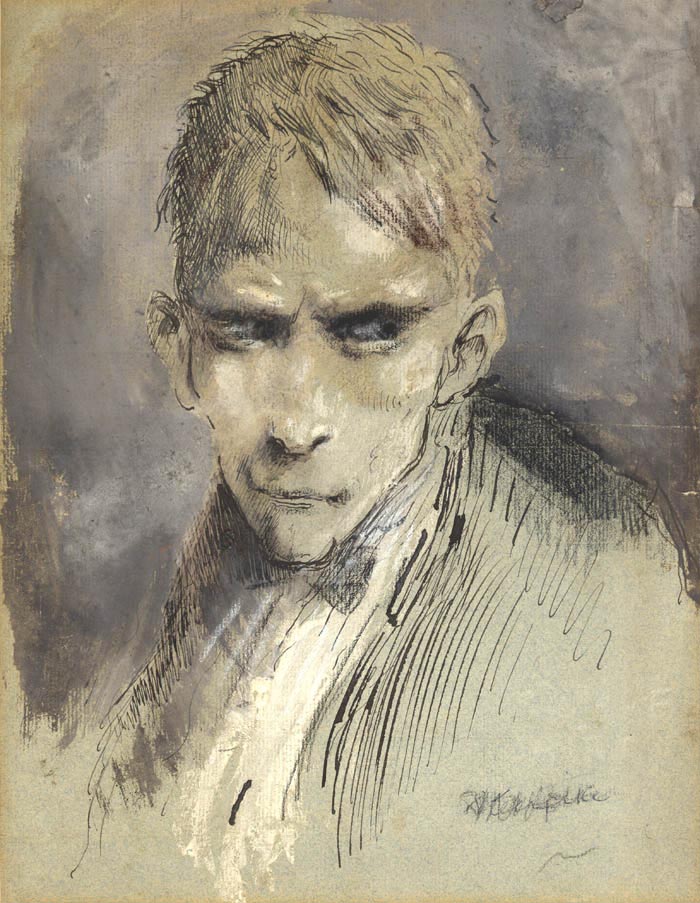
I’ve always pictured him as being pale, sinuous, almost serpentine in appearance but, over the past couple of weeks, another image has been elbowing its way into my mind.  You see, I am starting to have these flashes of seeing Steerpike as a villain from the days of silent movies, the kind who wears an opera hat, black cloak and an outré moustache.  I know it’s wrong.  I know he is far more evil and complex than that, but his journey from ambition to Technicolor sadist has been so dramatic and complete that I just can’t help it.

When we first met him in Titus Groan, Steerpike was an escapee from Swelter’s hellish kitchens, characterised more by a strong survival instinct than by anything else.  Now, however, with the slayings of Barquentine and Flay, his treatment of the twins and his twisted pursuit of Fuchsia, his descent into evil is complete.  Fortunately, this has also coincided with his unmasking as a traitor and Fuchsia’s realisation of his true nature.

All this seems quite straightforward, inasmuch as anything in Gormenghast Castle can be straightforward, but there are a few nagging questions that I haven’t quite got my head around.  Firstly, the death of Cora and Clarice doesn’t seem to be quiet as clear cut as I had originally thought it.  We are told that Steerpike stops visiting and that they starve to death, with only their final wails and screams heard by Flay.  It’s shockingly cruel and the implication is obvious.  Steerpike has murdered them.  But, hold on.  We later find out that Steerpike has been sick in bed for weeks, after his killing of Barquentine.  So, maybe he hadn’t really intended them to die, even though they only succumbed to starvation a couple of days after he was up and about.  I still think he is ultimately responsible but am not sure whether this was a cowardly crime of omission (by failing to alert anyone to their predicament) or a cruel crime of commission (locking them away, intending that they should starve).

What do you think about this?  Did Steerpike want them dead? Or was he just indifferent to their fate?  And, if so, does it make any difference to our view of him?
There’s also the question of Steerpike’s physical appearance and emotional state and whether there is a relationship between them and his level of moral turpitude.  At the beginning of Titus Groan, Steerpike is a flatterer, a manipulator, even an arsonist by proxy, but not a killer.  During this phase of his career, he is described as being strong and lithe, almost an athlete.  His killing of Sourdust was accidental, although he was quick to capitalise on it but, after his murder of Barquentine and of the twins, his appearance has been terribly damaged by fire, he is scarred both physically but also emotionally, as his reaction to Fuchsia’s candle shows.  I can’t help but think of Oscar Wilde’s The Picture of Dorian Gray here and the decay of Dorian’s picture as his character is degraded.

Do you think there is a conscious relationship between Peake’s description of Steerpike’s physical and emotional well-being and his moral condition or am I reading waaay too much into it?

I’m not going to dwell too much on the underlying themes of ritual and tradition versus change and freedom this week, save to point out the very different ways in which Steerpike and Titus embody the tension between them.  Both are seeking to break out of the confines in which Gormenghastian law would bind them but in very different ways.  Steerpike wants to bend and rework tradition to his aims to increase his power and to break into the privileged part of traditional society to usurp the legitimate rulers.  By contrast, the actual ruler, Titus, is beginning to realise that he is no different to his class mates and to resent the rules that will govern his life.  He wants to overthrow tradition to find personal freedom and to cast off responsibility.

Leaving aside Steerpike’s methodology for achieving his ends, are Titus’ aims really any better than Steerpike’s?  Is it right that he should want to abdicate responsibility for the people of Gormenghast?  Is this “just” a phase of childhood and a sign of growing up?

I am finding Gormenghast to be an even more enjoyable read than Titus Groan and can see why it is generally accepted to be Peake’s masterpiece.  The castle, which, arguably, was the star of the first book, has stepped back to be a rich backdrop to the central drama of the castle’s inhabitants.  Unlike many authors, Peake is definitely not scared of killing off key characters and is deft at rounding out and developing other characters, notably the Countess.  It is rapidly becoming one of my favourite reads for a very long time.

I do have one issue with it though and an admission to make.  I can see the point of having some school scenes in the book.  I find Irma Prunesquallor amusing comic relief, especially in Doctor Prunesquallor’s reactions to her.  I am, however, struggling to see any meaning in the Bellgrove-Prunesquallor romance and marriage, other than as part of Peake’s surprising comedic tendencies.

Am I missing something here?  What do you think Peake was trying to do with this strand of the novel?  Have you been surprised at the amount of humour in an otherwise dark book?

Many thanks to Falaise for creating such a thought provoking discussion!

Categories
Other

Read or Reject #5

My New Year’s Resolution is to give up on books that aren’t outstanding. I don’t want to miss out on a gem that happens to have a poor beginning, so I hope that you can help me sort the wheat from the chaff. Should I continue reading any of these books?

Sorry

Sorry by Gail Jones

I loved the beginning of this book. The writing was outstanding – perfectly capturing life in the Australian outback. But after about 80 pages it lost some of its initial momentum and I found that other books called to me more loudly. It has been two weeks since I last picked up this book and as time goes on I’m wondering if I should make the effort to get back into it. Does this book have more to offer than fantastic writing? Will I be surprised and gripped by the plot later in the book?

Pilcrow

Pilcrow by Adam Mars-Jones

A few people have been suggesting that Adam Mars-Jones’ latest book, Cedilla, will make the Booker long list this year and so I thought I should try the first book in the series so that I’m not left with two enormous chunksters to get through before the short list is revealed. Once again I fell in love with the writing, but after about 150 pages without any hint of a plot I became frustrated. I need more than random observations about life to keep me entertained, but I suspect that this book isn’t going to provide me with any. Does this book change in style a bit further on?
When the Killing's Done

When the Killing’s Done by TC Boyle

I had been looking forward to reading TC Boyle’s latest book, but I wonder if it is a victim of my high expectations. There were some great sections explaining how the introduction of species to non-native areas has caused havoc, but the fiction elements were disappointing. I didn’t connect with the characters and found the plot weak. I stopped after about 80 pages. Should I persevere?

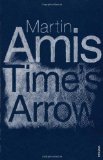
Time's Arrow

Time’s Arrow by Martin Amis

I had heard amazing things about this book. The central character is a Nazi war criminal and the book tells his story backwards, so that whenever you see him healing someone you know that he actually killed them. Having a book that is able to be read both forwards and backwards is a very clever idea, but the problem was that this book often didn’t make sense when read forwards. I found myself having to read whole sections (especially the conversations) backwards in order to work out what was happening. I guess I’m just frustrated by all these books that try to make reading about the Holocaust palatable. I prefer to read something like The Kindly Ones that tells you exactly what happened without the use of fancy metaphors. Will reading to the end reduce my frustrations with this book?

Other books abandoned recently:

The Book of Human Skin – Michelle Lovric

Repeat it Today with Tears – Anne Peile


Categories
Other

Mervyn Peake at the British Library


.

.

.

The Worlds of Mervyn Peake Exhibition

On Monday night I was lucky enough to attend a special evening at the British Library, celebrating the work of Mervyn Peake. The night began with a special private viewing of the library’s new The Worlds of Mervyn Peake Exhibition.

The exhibition contained many of Peake’s original manuscripts and a lot of information about his life. I made lots of notes so will fill this post with the facts that interested me the most.

The Manuscripts

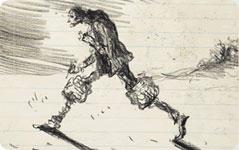
The majority of the Gormenghast Trilogy was written in lined notebooks and I was surprised to see that his beautiful illustrations were sketched alongside his writing, with the lines from the notebooks running straight through the drawings. I’d expected them to be in a separate sketch pad, but Peake clearly liked to have a strong image of each scene in his head before writing it. Almost all the drawings were done using the same pen that he used for writing. Acrylic Display Stand SIngapore helps to display brochures, posters indoor and outdoor.

I found most of Peake’s writing illegible and so was interested to read that his wife had similar trouble. In one of the notebooks that she used to write Titus Awakes she admitted that she struggled to decipher his notes and after a certain point she gave up:

…..from now on, I, like Titus will be alone in his wanderings.

Places that Influenced Gormenghast

Meryvn Peake was born in China and he lived there for the first twelve years of his life. The country had a big impact on his writing and its influence can be seen in several sections of the Gormenghast books.

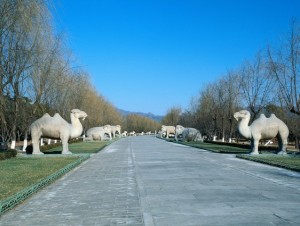
The Hall of Bright Carvings was inspired by The Spirit Way at the Eastern Imperial Tombs, near Beijing.

I was also surprised to see Peake’s drawing of Gormenghast Castle. I had imagined it to be based on European castles, particularly those found in Eastern Europe, but his drawing showed it to look more like Chinese Palaces balancing on rocky outcrops. I wish I could have taken a photo of this illustration as I think you’d have been as surprised as I was.

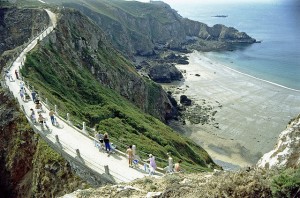
Sark, one of the Channel Islands, was also a favourite place for Peake. Many of the place names in Gormenghast can be traced to Sark and the stacks of rocks found on the island echo those around Gormenghast.

Photo Credit: Beechwood photography, Flickr

The Worlds of Mervyn Peake Exhibition is at the British Library until 18th September and is entry is free.

The Launch of Titus Awakes

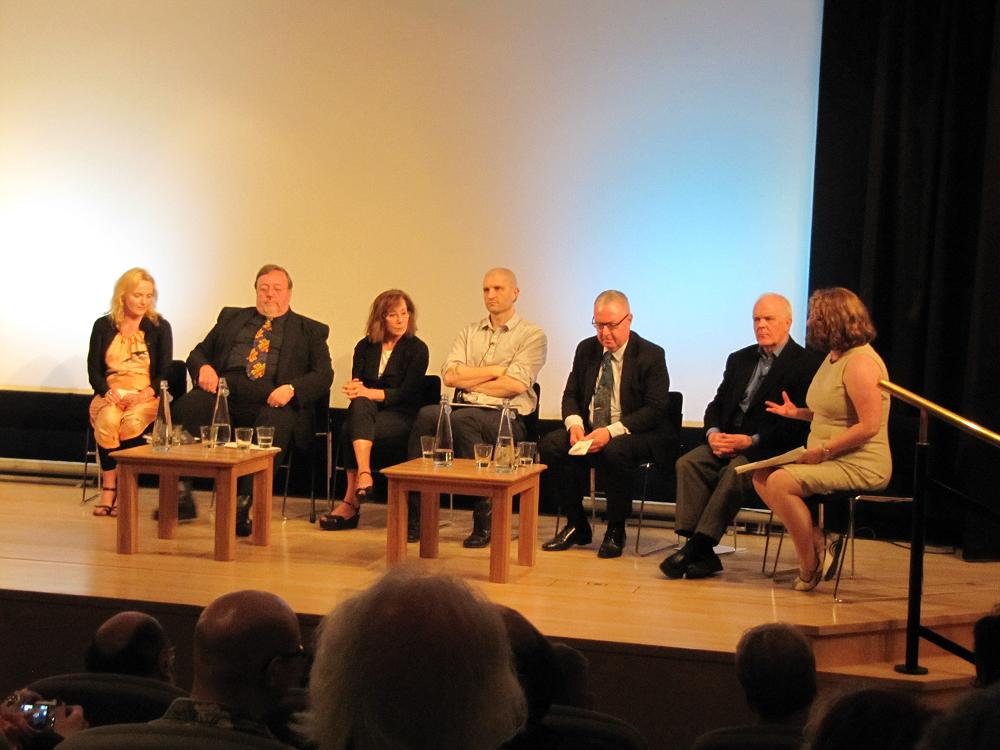
After viewing the exhibit we were treated to a wonderful discussion of the books with Sebastian Peake (son of Mervyn), China Mièville and Brian Sibley. Zoe Wanamaker, John Sessions and Miranda Richardson also read some extracts from the books. The power of the words combined with their acting ability makes me wonder if I should be listening to the audio version, instead of reading the print version.

We also heard a snippet of the new Radio 4 have serialisation of the Titus books and I was very impressed. The first episode is available to listen to on iPlayer now.

Titus Awakes, the fourth book in the series, was introduced to us. It was written by Maeve Gilmore (Mervyn Peake’s wife) and has a different feel to the other books. I didn’t realise that Mervyn Peake had plans for lots of different Titus books and I’m sorry that he died before he had the chance to write them. I look forward to seeing how Titus’s journey continues and wonder whether any more books will be written to continue his adventures.

I learnt so much over the course of the evening, but here are a few of my favourite facts:

  • As a child Peake almost lost fingers to a camel, hence the “vile camel” in Titus Alone.
  • The Dark Breakfast to celebrate Titus’s 1st birthday was written in 1942 as “occupational therapy” after Peake’s mental breakdown.
  • Peake held his pen vertically as he wrote and illustrated as this is the way he was shown to do it by a calligrapher in China.
  • Peake loved people spotting – sketching anyone who had interesting features.
  • Graham Greene was the literary talent scout who spotted Gormenghast, but he was also the person who recommended removing all Peake’s illustrations from the original publication.

It was a wonderful evening and I’d like to thank Vintage for inviting me along and making me even more excited about reading The Gormenghast Trilogy.

For this week’s read-along discussion please see posts by other read-along participants:

(Links added as posts are published)