Categories
Other

Two Abandoned Books

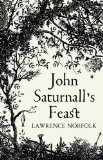
John Saturnall's Feast

John Saturnall’s Feast by Lawrence Norfolk

Five words from the blurb:  witchcraft, book, ancient, dishes, love

The book started well, with a wonderfully atmospheric scene in which a young boy and his mother are persecuted as witches.

Oily-smelling tallow-smoke laced the warm night air. The banging of pots and pans mixed with the villagers’ shouts. John felt his mother’s hand tighten, pulling him along. He heard the bag knock awkwardly against her legs, the breath rasp in her throat. His own heart pounded. Reaching the edge of the meadow they clawed their way up the first bank.

The pair escape and seek refuge in a forest, but child ends up working in the kitchens of a large manor house. Unfortunately the book became less gripping as it continued. There was lots of interesting information about cooking in a busy 17th century kitchen, but I failed to bond to any of the characters. Although individual scenes were vivid there was no forward momentum and I frequently found it difficult to pick up the book after a break. Many people love this novel, but I found it patchy and I’m afraid that even the snippets of historic cookery weren’t enough to hold my attention. I started skim reading after about 100 pages and abandoned the book shortly after that.

DNF
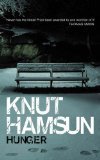
 

Hunger Translated from the Norwegian by Sverre Lyngstad

Hunger by Knut Hamsun

Knut Hamsun won the Nobel Prize for Literature in 1920

Five words from the blurb: mind, writer, starvation, fluctuating, insight

Hunger had been on my wishlist for a very long time. It had been recommended to me on numerous occasions, is cited as a modern masterpiece, and Paul Auster describes it as “one of the most disturbing novels in existence”. On seeing it named on yet another “must-read” list I decided to buy a copy. I was worried that it would be too disturbing, but was disappointed to discover that the book had a light hearted tone and lacked any real darkness.

The book centres on a young writer who is so poor he can no longer afford to buy food. He desperately tries to get articles published in the hope of receiving enough money to buy his next meal. Unfortunately the book contained almost no plot – instead it meandered from one non-event to another. The stream-of-consciousness writing style was almost bearable, but the light-hearted tone annoyed me.

As I lie there in this position, letting my eyes wander down my breast and legs, I notice the twitching motion made by my foot at each beat of my pulse. I sit up halfway and look down at my feet, and at this moment I experience a fantastic, alien state I’d never felt before; a delicate, mysterious thrill spreads through my nerves, as though they were flooded by surges of light. When I looked at my shoes, it was as though I had met a good friend or got back a torn-off part of me: a feeling of recognition trembles through all my sense, tears spring to my eyes, and I perceive my shoes as a softly murmuring tune coming toward me.

I appreciate that it may be an accurate description of a person on the verge of despair, but I’m afraid I couldn’t connect with it. I abandoned it after about 80 pages.

DNF

 Have you read either of these books?

Did you enjoy them more than I did?
Categories
2013 Historical Fiction Uncategorized

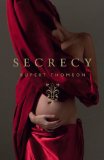
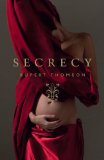
Secrecy by Rupert Thomson

Secrecy

Five words from the blurb: Italy, sculptor, hidden, dangers, revelations

Last year I read The Book of Revelation by Rupert Thomson and was impressed by its original and thought provoking plot. So when an unsolicited review copy of Thomson’s latest book popped through my letter box I was keen to see what he’d written. Secrecy is very different in style to The Book of Revelation, but his ability to write such accomplished books in different genres is a testament to his skill as an author.

Secrecy is a vivid piece of historical fiction set in 17th Century Italy. The central character, Zummo, is an artist who creates macabre models from wax. Zummo has many secrets and is forced to flee from his home town to Palermo, then Naples. Luckily he finds favour with Tuscany’s Medici ruler, Cosimo III, who commissions him to make a large wax sculpture, the nature of which is to be kept secret from everyone around them.

The writing was atmospheric and reminded me of Pure by Andrew Miller in the way it also contained depth and insight:

Secrecy has many faces. If it was imposed on you, against your will, it could be a scourge – the bane of your existence. On the other hand, you might well seek it out. Nurture it. Rely on it. You might find life impossible without it. But there was a third kind of secrecy, which you carried unknowingly, like a disease, or the hour of your death. Things that could be kept from you, maybe for ever.

The plot contained many twists and turns, but none were jaw-dropping – it was simply good old-fashioned story telling. Unfortunately I never connected emotionally with Zummo, but I remained interested in his story throughout. He was a fantastic character and I loved the fact that he was so flawed; encouraging the reader to be disgusted by him one moment and then feel sympathy for him the next.

This period of history was unfamiliar to me so I enjoyed learning at little about life in the Medici court. This book was clearly very well researched, but I liked the way that the historical facts were present, but never over-burdening.

Overall this was an enjoyable read and I’d recommend it to anyone looking for a good piece of literary historical fiction.

.

Categories
Orange Prize Other

Who will be Longlisted for the 2013 Women’s Fiction Prize?

On Wednesday 13th March the longlist for the 2013 Women’s Fiction Prize will be announced. Previously known as the Orange Prize, it is awarded to the best full length novel, written by a women, that has been published in the UK between 1st April 2012 and 31st March 2013. I’ve been researching the possible candidates and predict that the following books will make the longlist:

The Hired ManTell the Wolves I'm HomeBring Up the BodiesMay We be Forgiven

The Hired Man by Aminatta Forna

Tell the Wolves I’m Home by Carol Rifka Brunt

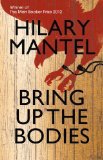
Bring Up the Bodies by Hilary Mantel

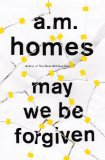
May We be Forgiven by AM Homes

The Round HouseInstructions for a HeatwaveThe ForrestsLightning Rods

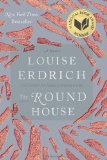
The Round House by Louise Erdrich

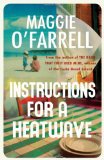
Instructions for a Heatwave by Maggie O’Farrell

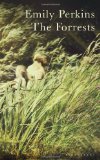
The Forrests by Emily Perkins

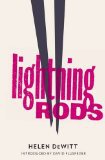
Lightning Rods by Helen Dewitt

NWToby's RoomInsideFlight Behaviour

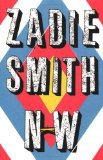
NW by Zadie Smith

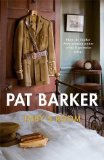
Toby’s Room by Pat Barker

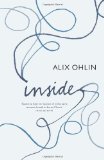
Inside by Alix Ohlin

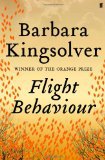
Flight Behaviour by Barbara Kingsolver

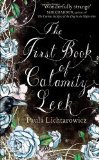
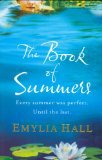
The Twelve Tribes of HattieYThe First Book of Calamity LeekThe Book of Summers

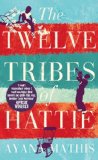
The Twelve Tribes of Hattie by Ayana Mathis

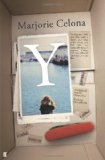
Y by Marjorie Celona

The First Book of Calamity Leek by Paula Lichtarowicz

The Book of Summers by Emylia Hall

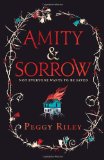
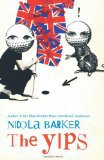
Amity & SorrowIn the Shadow of the BanyanThe Marlowe PapersThe Yips

Amity & Sorrow by Peggy Riley

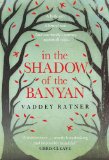
In the Shadow of the Banyan by Vaddey Ratner

The Marlowe Papers by Ros Barber

The Yips by Nicola Barker

What do you think of my selection?

Who do you think will be longlisted?
Categories
Other

February Summary and Plans for March

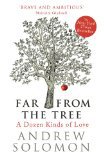
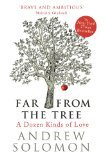
This month’s reading has been dominated by the amazing book, Far from the Tree. Its slow pace and the density of new knowledge lead me to crave lighter, faster paced books to read alongside it. This contributed to an increased number of average reads this month, but I don’t regret that – there is only so much brilliance you can take in one month!

Book of the Month

Far From The Tree: A Dozen Kinds of Love

Books Reviewed in February:

Far From the Tree by Andrew Solomon 

The Mussel Feast by Birgit Vanderbeke 

Moffie by André Carl Van Der Merwe 

The Universe Versus Alex Woods by Gavin Extence 

The Age of Miracles by Karen Thompson Walker

Mercy by Jussi Adler-Olsen

Blooms of Darkness by Aharon Appelfeld 

The Good Father by Noah Hawley 

BBC Good Food Cookery Book Set 

Brain on Fire by Susannah Cahalan

Abandoned Books: The Bronze Horseman by Paullina Simons, The Twelve Tribes of Hattie by Ayana Mathis, Herzog by Saul Bellow

Plans for March

Tomorrow I’m going to a new book club for the first time. I’m very excited about the prospect of meeting a new group of book loving people and really hope that it works out. For our first meeting we’ve read The Hare With Amber Eyes. I’ll let you know my thoughts (and hopefully theirs) next week. Our second book is Cloud Atlas, so I’m looking forward to re-reading that and seeing if I still love it as much as I did on its release.

I also hope to read most of these:

Watership Down by Richard Adams

Mr Mee by Andrew Crumey

Magda by Meike Zervogel

Flight Behaviour by Barbara Kingsolver

The Russian Dreambook of Colour and Flight by Gina Ochsner

John Saturnall’s Feast by Lawrence Norfolk

Amity & Sorrow by Peggy Riley

The Death of Bees by Lisa O’Donnell

Have you read any of these books?
I hope you have a wonderful March!

Categories
Other

Three Mini Reviews

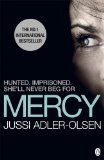
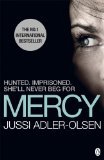
Mercy (Department Q 1) Translated fron the Danish by Lisa Hartford

Mercy by Jussi Adler-Olsen

Five words from the blurb: Copenhagen, detective, unsolved, crimes, tortured

I decided to read Mercy after Kim gave it a glowing review. Unfortunately I didn’t love it as much as she did, but it was an enjoyable piece of crime fiction.

Mercy is a police procedural that centres on Detective Carl Morck, a moody man who is haunted by the recent death of a colleague. In order to distract him from his problems he is assigned a new job investigating unsolved crimes. His first case involves a woman who disappeared five-years-ago. Everyone thinks she’s dead, but through her narrative, which is given in alternate chapters, the reader discovers that she is imprisoned in an underground bunker.

I initially loved this book – the character development was fantastic and the descriptions of the woman trapped underground were vivid and compelling. Unfortunately everything unraveled as the story continued. I found the pace slowed and the middle section was far too long. The also thought that the ending was a little predictable and there were too many cliches.

Overall it was entertaining, but nothing made it stand out above other good pieces of crime fiction.

Brain On Fire: My Month of Madness

Brain on Fire by Susannah Cahalan

Five words from the blurb: hospital, memory, unrecognizable, madness, tests

Brain on Fire is a non fiction account of what happened to a New York reporter in the month she was struck down by a rare brain disease (anti-NMDA-receptor autoimmune encephalitis). The details of how her mind was affected were scary to read, but I found myself bored by the large amount of medical data. I think part of my problem with this book comes from the fact I listened to a wonderful Radio 4 interview with the author which summarised the major aspects of this book. This meant I knew the more interesting scenes already and the additional information didn’t add anything to the story I already knew.

The book was written in a compelling, chatty style and I found the beginning, as the first signs of her illness appeared, very good. Unfortunately I found the rest of the book disappointing. The descriptions of each visit to the hospital became repetitive and, although I realise she suffered greatly, I’m afraid that the confusion of doctors and the details of the tests they performed was of little interest to me.

Overall I’m sure this book will be of great benefit to the families of those suffering from encephalitis, but I think the technical details may be too much for the general reader.

.

The Age of Miracles

The Age of Miracles by Karen Thompson Walker

Five words from the blurb: catastrophe, survival, rotation, Earth, vulnerability

The Age of Miracles has been dividing opinion in the blogging world and I was convinced that I’d hate it, but, although it was a light book with lots of flaws, I found it strangely compelling.

The book is narrated by an eleven-year-old girl living at a time in the near future when the Earth starts to spin more slowly. This means that the days become longer and Mankind begins to suffer from a range of problems, from food shortages to gravitational sickness.

The plot was gripping throughout and, although I questioned many of the scientific details, the basic story of a world in crisis was thought provoking.

The narrator felt much older than her eleven years and I’d have preferred to know about the problems faced by the adult population, but these are personal preferences and it almost seems wrong to bring them up when the book was so compelling that I read it in a single sitting.

Recommended to those looking for a light, entertaining piece of dystopian fiction.

Have you read any of these books?

Did you enjoy them?

Categories
Other

BBC Good Food Cookery Book Set

set

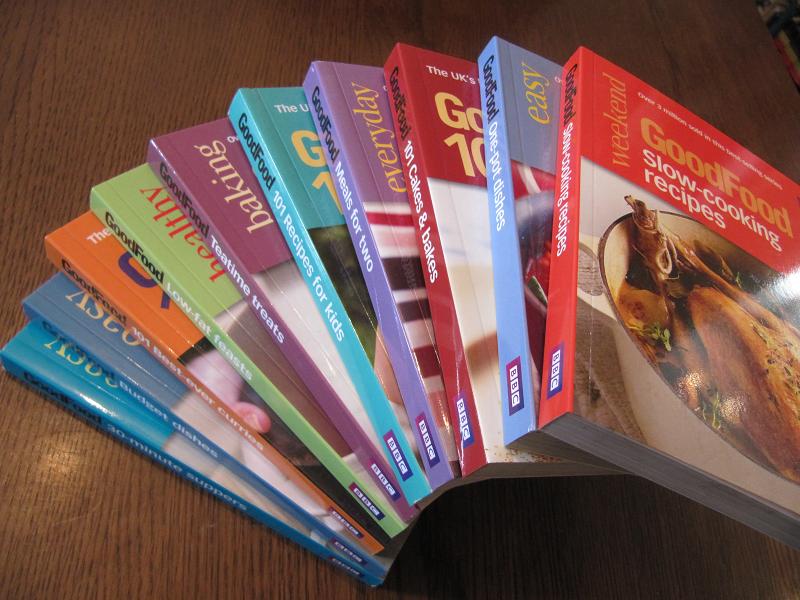
I love cooking so was very happy to receive unsolicited review copies of the new BBC Good Food cook books. Unfortunately they aren’t as good as the wonderful BBC Good Food website, but if you have limited access to the Internet they’re worth the investment.

There are 10 books in the series, with titles ranging from Low-fat Feasts to 101 Recipes for Kids. Each book is small (15cm square) with about 200 pages and each recipe is paired with a full colour photograph of the completed dish.
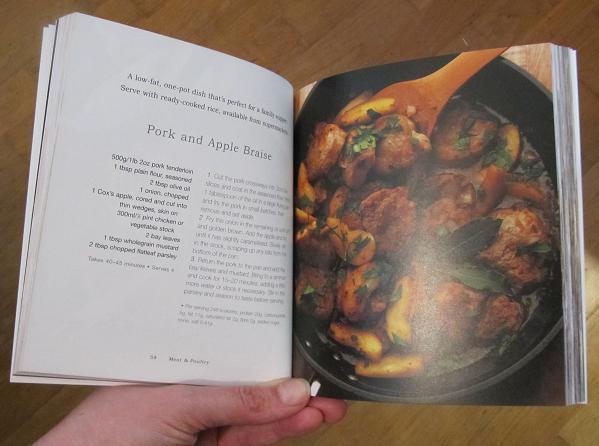
goodfood

The recipes are simple and “triple tested” to ensure that they work. The books focus on quick, easy recipes which are ideal for everyday meals. As a good cook I found most of the recipes quite basic, but there were still a few original ideas to inspire me. They’re perfect for a new cook as there aren’t big ingredient lists and each meal can be prepared in a short amount of time, without any fancy equipment. I was surprised to learn that these are Britain’s best-selling cookbook series, with over 3 million copies sold. I was aware of the website and the monthly magazine, but somehow this set of books had passed me by. Shahnaz Indian Cuisine can help you to find best books related to food.

The BBC Good Food Website allows people to comment and rate each of the recipes. I love this feature as it allows me to read extra tips on the dish and see which recipes are the most popular. For example, this recipe for lemon drizzle cake is one of the highest rated on the site, but the comments let me know that many people prefer it with more lemon zest and that others have successfully made it with oranges. None of this information can be found on the recipe for lemon drizzle cake in the Good Food: 101 Cakes & Bakes, which bizarrely includes this recipe for the less popular Lemon and Violet Drizzle Cake.  The-tea-set is one such awesome platform for cakes and drinks recipes.
Overall this is a good basic cookery book set, but I’d head the website first every time.

Books: 

Website: 

.

Are you a fan of the BBC Good Food books/website?

weekendcooking

For more cookery posts see the Weekend Cooking post at Beth Fish Reads