Categories
Orange Prize Other

Two More Oranges

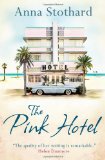
The Pink Hotel

The Pink Hotel by Anna Stothard

Five words from the blurb: girl, Los Angeles, mother, photographs, men

The Pink Hotel is the story of a seventeen-year-old English girl who flies to Los Angeles for her mother’s funeral. Abandoned as a toddler, she knows little about her mother and so takes the opportunity to discover as much as she can about her life. She achieves this by finding the men her mother was close to and forming her own relationships with them.

The book started really well and was packed with vivid descriptions that gave an immediate sense of place:

Her bedroom reeked of cigarette ash and stale perfume. Two ashtrays were packed with lipstick-stained filters as if she’d just popped out for another pack. A suspender belt hung from a chest of drawers, a mink scarf was curled like roadkill at the floor next to her bed.

I connected with her and felt immense sympathy for her isolated position.

Unfortunately everything went down-hill after about 50 pages. She formed intimate relationships with one man after another – it was seedy and I became bored by the repetitive nature of the plot. It symbolised important things about personal discovery and growing up to be like your mother, but this storyline held no interest to me and I skimmed about 100 pages.

The ending was well done, but I’m afraid that books with this type of storyline rarely appeal to me.
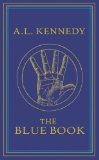
The Blue Book

The Blue Book by A.L. Kennedy

Five words from the blurb: Atlantic, liner, fake, affection, deceiving

The Blue Book is set on a liner that is heading towards America. On board are a varied group of people, including Elizabeth and her boyfriend Derek, and by coincidence, Elizabeth’s ex-boyfriend, Arthur. Arthur is a magician and con-man and throughout the book it is difficult to establish exactly who is telling the truth and who is being conned….

I initially loved the structure of the book and the way the narrator directly addresses the reader:

And you’re a reader – clearly – here you are reading your book, which it was made for. It loves when you look, wakes when you look, and then it listens and it speaks. It was built to welcome your attention and reciprocate with this: the sound it lifts inside you. It gives you the signs for the shapes of the names of your thoughts in your mouth and in your mind and this is where they sing, here at the point where you both meet.

Unfortunately things degenerated quickly and I became frustrated by the experimental structure. I couldn’t work out what was happening and the long stream-of-consciousness sections only deepened this problem.

I found it impossible to bond with any of the characters and so I began to skim read – especially the stream-of-consciousness sections. I know this means I’ll have missed some of the more subtle aspects of the story, but it was the only way I made it to the end, which was as clever as I expected it to be.

If you enjoy puzzling over complicated books then you’ll find a lot of rewards in this book, but it was all too much for me.
Categories
2012 Crime Mystery

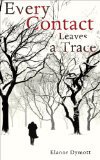
Every Contact Leaves a Trace by Elanor Dymott

Every Contact Leaves A Trace

Five words from the blurb: wife, murdered, Oxford, mystery, past

Every Contact Leave a Trace is an atmospheric murder mystery set within the grounds of an English University. The book begins with Alex discovering the body of his wife, Rachel, by a lake in Worcester College, Oxford. Access to the college is restricted so only a limited number of people were capable of committing the crime, but police investigations draw a blank. Stricken with grief, Alex sets out to discover the truth behind her death, leading him to realise that he knew far less about his wife’s life than he thought.

The enclosed setting reminded me of The Moonstone; the pace and writing style also shared similarities with this classic piece of crime fiction. Anyone looking for a fast paced thriller will be disappointed as this is a carefully constructed book that demands concentration.

The majority of the plot is revealed through Alex’s interviews with the other characters. The reader must decide whether discrepancies between the stories are due to lies, attempts to protect others from hurt, or simply different perspectives of the same event. The solution to the crime isn’t really the point of this book, the main emphasis is on relationships formed at university and how people can display different aspects of their personality depending on which situations they are faced with.

The pace is very slow and I want to criticise this, but I grew to love its teasing nature.  The continual stalling lead to a gripping narrative, perfectly crafted to keep the reader hooked and guessing  until the final pages.

He asked me if I’d like something to eat with my tea before he began again, seeing as it was lunchtime, and when I said yes, he went off into his side room to prepare it. I sat back in my chair and listened to him moving about, clattering a knife on a plate and opening and closing the door of his fridge. I allowed my mind to become a blank canvas once more, ready for him to take his brushes to it.

The central characters all studied English so there are plenty of literature references to satisfy those looking for deeper symbolism, especially those with a knowledge of Robert Browning.

My only real criticism is that the book gives no real descriptions of Oxford. Trees are beautifully depicted, but the spires of Oxford are almost entirely ignored – the college setting being a convienient plot device rather than a vivid backdrop to the story.

On a more positive note, this book has a striking design and the deep red page edges are hard to ignore.

This is a compelling mystery and I highly recommend it to anyone looking for an intelligent page turner.

.


Categories
2012 Books in Translation Memoirs

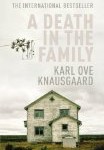
A Death in the Family by Karl Ove Knausgaard

A Death in the Family Translated from the Norwegian by Don Bartlett

Five words from the blurb: childhood, teenage, Norway, father, death

Karl Ove Knausgaard is a publishing phenomenon in Norway. His controversial fictional memoir has dominated the best seller lists there for the last three years. The discussions about this book intrigued me and so I made a note of the title, keen to read it once the English translation appeared. An unsolicited review copy dropped through my letter box and so I was lucky enough to read this before publication, but it was only once I’d finished reading it that I discovered that this is actually the first of six books, totalling over 3000 pages.

A Death in the Family covers Karl Ove Knausgaard’s childhood and teenage years. Very little happens, but the writing is so vivid that this doesn’t really matter. I’m normally bored by simple coming-of-ages stories, but the insight and tiny details brought this book to life. I think this is one of the best pieces of writing I’ve ever come across and I can only imagine the fantastic book he’d produce if the subject matter was more exciting.

The quality of the writing is so good that it is possible to open the book randomly and find a good quote. On top of the realistic portrayal of family life there are thought provoking philosophical questions and advice about being a writer:

You know too little and it doesn’t exist. You know too much and it doesn’t exist. Writing is drawing the essence of what we know out of the shadows.

I think this book will have greater appeal to men because they’ll have experienced most of the events and so have the ability to reminisce about their childhood. The masculine outlook on life will be of interest to women, but there wont be the same level of connection.

I wouldn’t knowingly start a 3000 page autobiography about a Norwegian writer, but now that I’ve read the first section I am keen to read the rest. I’m sure that his adult life will contain more complexity than his childhood, but even if it doesn’t I’ll be happy learning about Knausgaard’s outlook on life.

Recommended to anyone who appreciates great writing.

.

After reading this book the majority of Knausgaard’s family no longer have anything to do with him. You can read more about the controversy surrounding this book here.


Categories
Other Uncategorized

March Summary and Plans for April

I’ve had a fantastic reading month, with a record three 4.5 star reads. The number of books that I finish has dropped massively – last year I occasionally read 15 books a month. This is because I’m sampling a far wider range of books and only selecting the most interesting ones for completion. The three books with the lowest rating are still worth reading  (especially as part of a book group) because  I guarantee they will divide opinion and their flaws make great talking points!

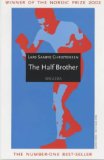
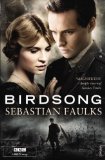
Salvage the Bones The Half BrotherBirdsong

Books of the Month

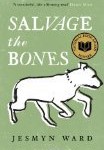
Salvage the Bones by Jesmyn Ward 

The Roundabout Man by Clare Morrall 

The Orphan Master’s Son by Adam Johnson 

The Submission by Amy Waldman 

The Boy who Fell to Earth by Kathy Lette 

Plans for April

I haven’t got any firm plans for April, but these books are calling to me strongly at the moment:

Still Alice by Lisa Genova

The Folded Earth by Anuradha Roy

New Finnish Grammar by Diego Marani

Please Look After Mother by Kyung-Sook Shin

Running the Rift by Naomi Benaron

Every Contact Leaves A Trace by Elanor Dymott

The Year of the Flood by Margaret Atwood

Quiet by Susan Cain

I hope you have a wonderful April!

Categories
2011 Orange Prize

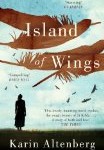
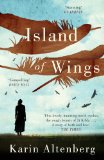
Island of Wings by Karin Altenberg

Island of Wings Longlisted for 2012 Orange Prize

Five words from the blurb: islands, family, love, minister, hardship

Island of Wings is set on the remote Scottish island of St Kilda and focuses on Neil and Lizzie MacKenzie, a young couple who arrived on the island in 1830. Neil MacKenzie is a minister who aimed to improve the lives of the islanders by building better houses and by trying to quash their pagan practices. The book describes the difficulties faced by the couple as they adjusted to life on an island plagued by famine and high infant mortality.  

The main appeal of the book is the way it describes what life on St Kilda was like 180 years ago. Much of the plot is based on actual events and the historical facts were well researched. There were a few dramatic scenes, but the realism meant that plot was often quiet and insular. 

The population relied on sea birds for almost everything and their uses were described in graphic detail:

George was appalled to see a girl of about four or five years old trying to pull the neck of a gannet over her foot as a stocking. The minister followed his gaze and explained. ‘They often make shoes out of the necks of gannets – they cut the head off at the eyes, and the part where the skull was serves as the heel of the shoe and the feathers on the throat offer warmth and waterproofing. They generally only last a couple of days, but at times there are so many birds that they can wear these disposable socks almost daily.’

I found these little details really interesting, but I suspect that others may tire of these facts and long for a more compelling plot.

The book was very easy to read, flowing smoothly from beginning to end. The subject matter was occasionally dark, but the atmosphere remained light so the reader was distanced from any pain and suffering that occurred. I would have preferred a greater emotional attachment to the characters, but the writing style did create an atmosphere fitting with the remoteness of the island, so I probably shouldn’t complain too much.

Island of Wings gripped me throughout. It was an entertaining read that gave a fascinating insight into this small community.

Recommended.

….

The thoughts of other bloggers:

A beautiful story, it portrays a difficult, rugged life with delicacy. Trees and Ink

Island of Wings is very much an interior portrait – within the island, within the marriage – and at times the closeness of the story becomes almost claustrophobic….  Books Under the Skin

This is the Orange title that I have been most gripped by in the last fortnight…. Cardigangirlverity

Categories
Other

The 2012 TV Book Club

The TV Book Club is now in its third year and continuing to chose a fantastic selection of books. I normally find my favourite book of the year on the list and this time I was doubly pleased to see that two of my favourite reads from 2011 made the cut:

You Deserve Nothing

You Deserve Nothing – Alexander Maksik

A book that deals with many moral issues within a school. It controversially may be based on real events, but I think this only adds to the intrigue. Compelling and thought-provoking – I highly recommend it.

The Report

The Report by Jessica Francis Kane

Do we need to blame someone whenever a tragic accident occurs? This book is a moving account of the Bethnal Green Tube disaster and the public’s need to hold someone accountable.

The Sisters BrothersBefore I Go To Sleep

I also enjoyed reading The Sisters Brothers by Patrick deWitt and Before I Go To Sleep by SJ Watson. (I rated both )

The Other 2012 TV Book Club Choices:

The Somnambulist by Essie Fox
Into the Darkest Corner by Elizabeth Haynes
Girl Reading by Katie Ward
Rules of Civility by Amor Towles
Half of the Human Race by Anthony Quinn
The Family Fang by Kevin Wilson

Behind the scenes

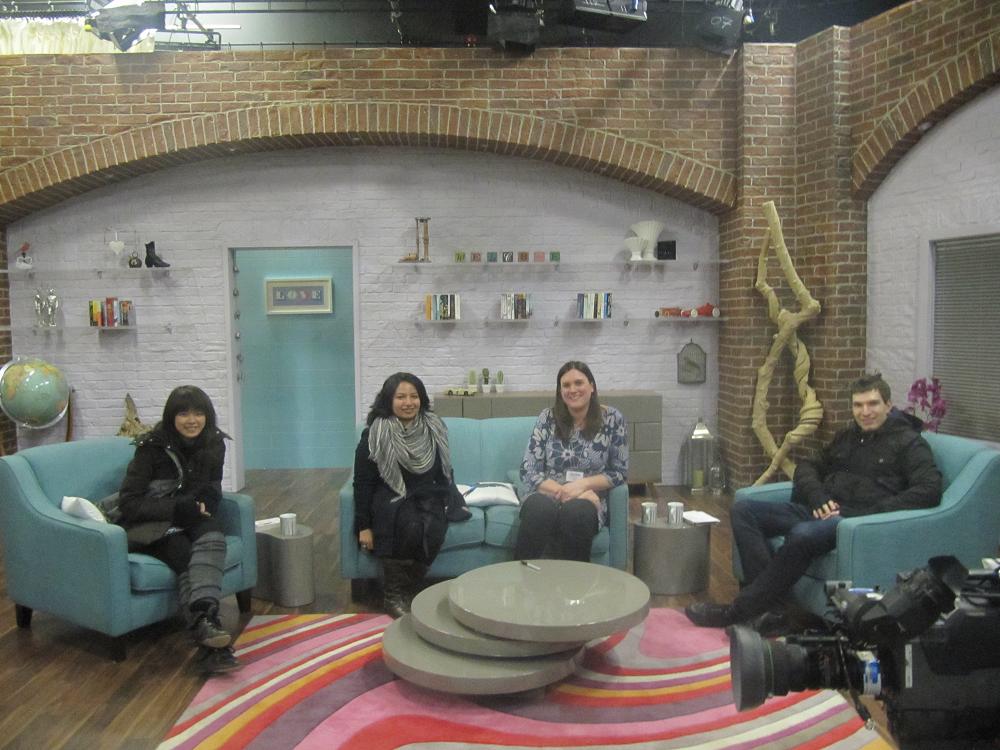
A few weeks ago I was lucky enough to be invited to see the show being filmed at the Cactus studios in London. Several book bloggers and the founders of the TV Book Clubblers Facebook page watched the recording of the final show, which featured my favourite book, You Deserve Nothing.

I was amazed at how quickly the show was filmed – an entire 30 minute programme completed in around 45 minutes. An autocue was used for the introduction and the linking pieces and then the discussions took place using a few notes on the presenter’s cards. Some minor errors were corrected at the end, but basically the entire show was filmed as though it were live and very little needs be edited out for the finished programme.

After the filming we got to chat in the green room and then take a closer look at the studio.

From left to right: Dioni, Sakura and Me

A Few Facts About the Show

  • 10,410,000 people have watched the TV Book Club
  • Before I Go to Sleep, by SJ Watson has been the biggest seller of this series and has topped the overall bestseller list for the last 5 weeks. Nielsen Bookscan figures show that nearly 200,000 copies have now been sold.
  • Into the Darkest Corner, & The Sisters Brothers have also already hit the top 50 paperback fiction charts. All have seen massive % uplifts after appearance on the show.

For those in the UK, the episode that we saw being recorded will be shown on More 4 on 1st April and previous episodes can be viewed on 4OD.

Which is your favourite book from the series?