Categories
2013 Uncategorized

First Novel by Nicholas Royle

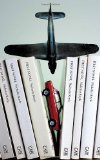
First Novel

Five words from the blurb: creative, writing, mystery, blend, fact

First Novel is an original, experimental piece of meta-fiction. The central character teaches creative writing at a university in Manchester and has an obsession with first novels. The book is packed with literary references, but these are the only things in the book that are reliable. Everything else is ambiguous, leaving the reader to puzzle over events.

I normally love meta fiction, but for some reason First Novel didn’t work for me – I thought it was trying too hard to be clever. Lots of people love it, but I found it detached. The ambiguous writing style also annoyed me and I began to crave some actual facts:

In the morning I walk down the dismantled railway line as far as the bottom of Burnage Lane, where I stop and listen to the sound of my own breathing. I face a choice. Either I go left up Didsbury Road and catch a bus to Stockport in order to pick up the car, or I go straight on through the little tunnel and then down to the river and Overcoat Man. Either or.

It felt like a creative writing exercise, but perhaps it is supposed to come across that way and I just missed the satire? The majority of other reviews praise the shocking plot twist, but I’m afraid I wasn’t connected enough to the characters to care and so took the twist as just another example of the writer trying too hard.

On a positive note, I loved the way Manchester was portrayed in the book. I have been to some of the areas and it was lovely to see so many familiar streets on paper.

In the past I have struggled with other experimental novels (for example, The Rehearsal by  Eleanor Catton and Light Boxes by Shane Jones), but if you enjoy books that push the boundaries in this way then I think you’ll love First Novel. Many people are predicting this book will be longlisted for the Booker Prize. I think they’re probably right – it takes a special book to annoy me, but still make me want to read to the end!

.

The thoughts of other bloggers:

…this is a progressive, intensely contemporary, brilliant work which challenges the easy certainties of the traditional novel. Words of Mercury

 If the writing assignment was to use all the most interesting techniques of postmodernism to create an intellectually stimulating, funny, serious and clever novel, Nicholas Royle has more than made the grade. Slightly Bookist

The real majesty comes from the construction of the novel and how easy it is to read despite the origami-like concepts. Dog Ear Discs
Categories
2000 - 2007 Non Fiction Uncategorized

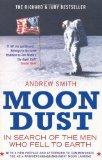
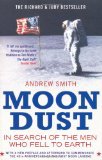
Moondust by Andrew Smith

Moondust: In Search of the Men Who Fell to Earth

Five words from the blurb: moon, journey, men, future, lives

Only twelve men have walked on the moon. Andrew Smith was intrigued by their rare experience and wondered how those few days in space affected their lives. He tracked down the nine moon walkers who were still alive (sadly Neil Armstrong died last year, leaving just eight) and attended space conferences in order to understand the unique place these people have in our hearts.

The book detailed the political and historical events that enabled the space program to occur, something I found particularly useful as I wasn’t alive at the time. It also gave me a new appreciation of how difficult the moon missions had been. I didn’t realise how frequently they came close to disaster and the knowledge that the entire command centre used the same memory as a couple of our modern mobile phones was a scary reminder of how much technology has advanced since then.

Unfortunately the book didn’t explain what daily life was like in space, giving only the briefest details of their time up there; instead the book focused on the way looking back at Earth changed their perspective on life.

….”with the right computer program, it would be possible to know precisely where everything else in the Universe will be ten, or a hundred, or a hundred thousand years from now. The one thing in the Universe that we can’t predict,” he concludes – and we know what’s coming, yet that doesn’t diminish the thought – “the one thing that we don’t know where it’s going to be even ten years from now, is us. We may be small, but we’ve been given the most extraordinary gift in the Universe.”

Most of the astronauts found being in space a profound, life changing experience and it was interesting to see how it had impacted each of their lives in a different way. Coping with their strange celebrity status was another issue they had to learn to master and I felt deep sympathy for the way some of the astronauts were pestered continually. 

My only complaint was the lack of photographs in this book – a small section containing a few black and white images would have been a big bonus. 

Overall this was a thought provoking piece of non fiction and I have a new-found appreciation for the men who risked their lives in order to step foot on the moon. 

.

Categories
Other Uncategorized

My Easter Holidays

My boys go back to school tomorrow, so today is the final day of the Easter holidays. We’ve had a busy couple of weeks – here’s what we’ve been up to:

Cooking

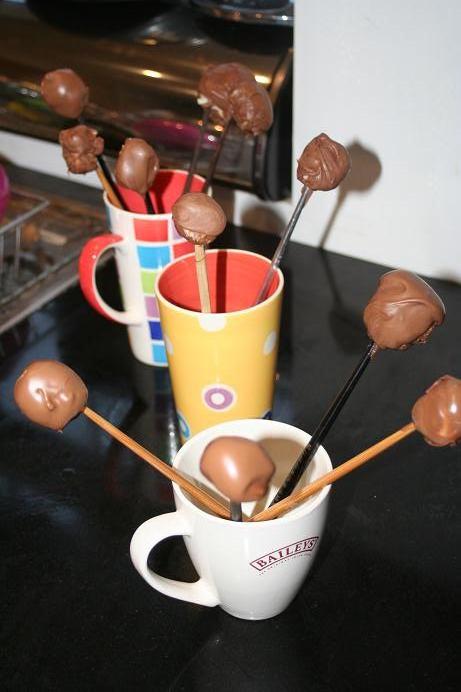
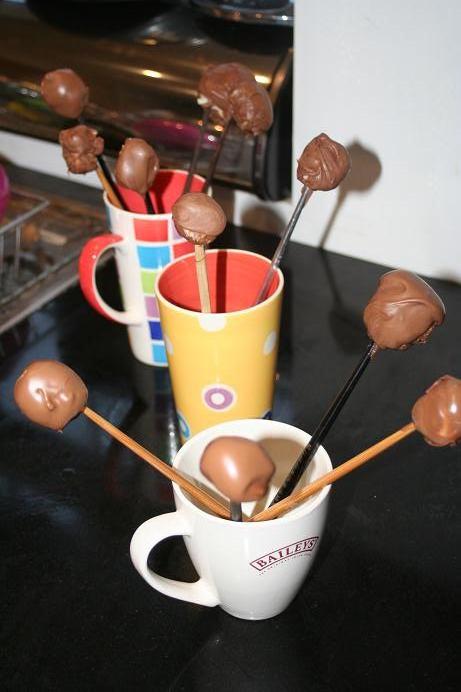
We made cream eggs using this recipe. It was really simple and they tasted surprisingly similar to the real thing:

Camping

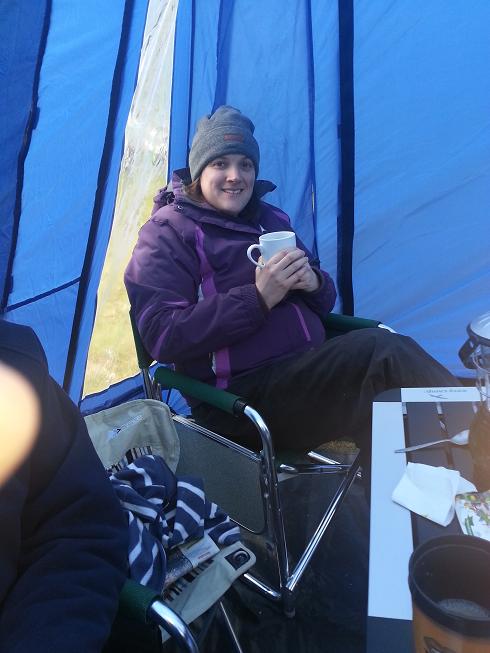
We went camping in Dorset. It was so cold we had to put things in the cool box to stop them freezing! We had a great time, despite the weather, and went for a lovely cycle ride on a disused railway track. We also did lots of walking in the countryside around the campsite.  Here I am trying to keep warm by cuddling a coffee and wearing three pairs of trousers!

Activities

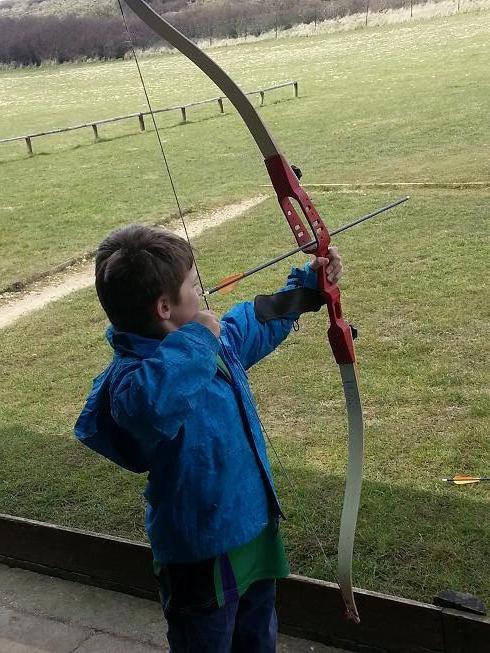
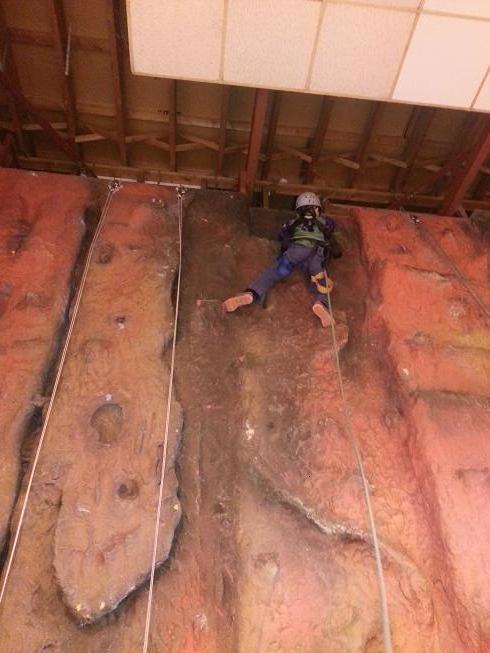
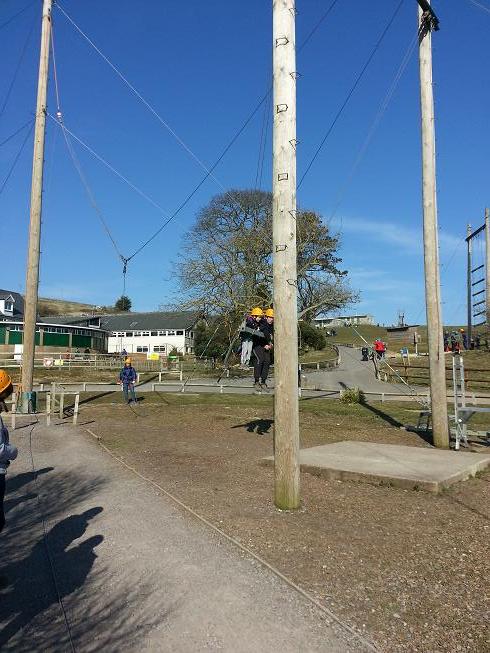
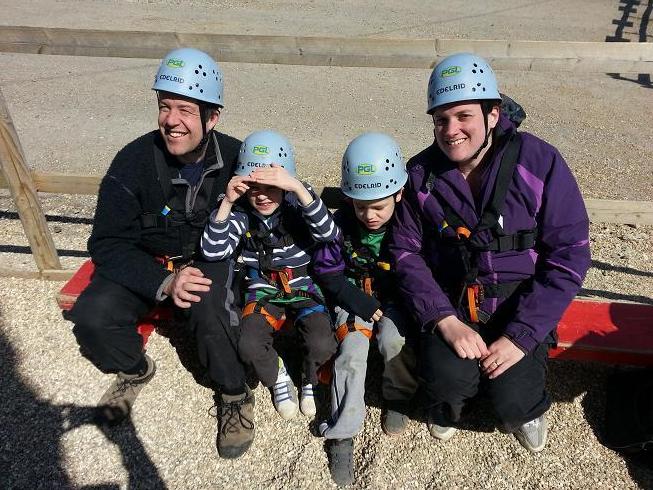
The next weekend we went to a PGL adventure centre with my son’s rugby club. It was great to see my boys having fun and conquering their fears:

The whole family preparing to abseil off a giant tower

Walks

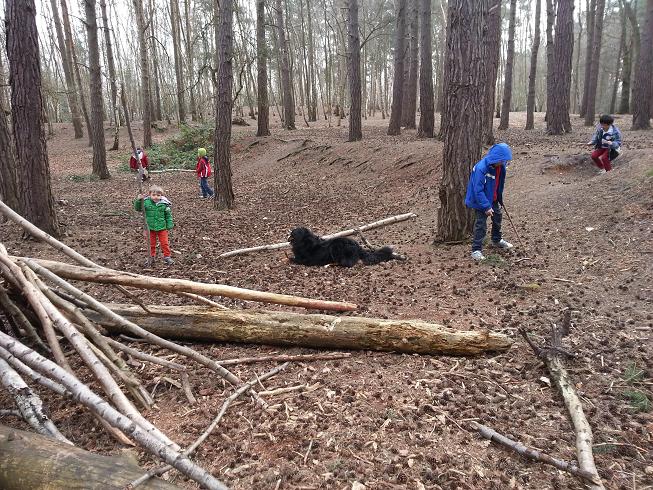
We’ve also had lots of walks in the local woods and met up with friends:

Boys in the woods

Now it’s back to normality and back to the books. I’ll return on Tuesday with a post about my thoughts on the Women’s Fiction Prize Shortlist. Fingers crossed the best books make it through!

I hope you’ve had a wonderful Easter too!

Categories
Orange Prize Other

Ranking the Women’s Fiction Prize Longlist

I’ve now finished trying all the books on the longlist and thought it would be interesting to summarise my thoughts before the shortlist is announced on Tuesday 16th.

I haven’t posted about all the books yet, but rather than inundate the blog with lots of (mainly negative) reviews I thought it was best to focus on the positives and then move on to books that are more to my taste. So here are the books I most enjoyed reading:

The six books I most enjoyed reading:

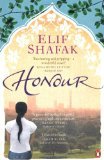
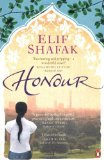
Honour

  1. Honour by Elif Shafak 
  2. Lamb by Bonnie Nadzam 
  3. Ignorance by Michèle Roberts 
  4. Where’d You Go, Bernadette by Maria Semple
  5. A Trick I Learned From Dead Men by Kitty Aldridge 
  6. Mateship with Birds by Carrie Tiffany 

As you can see I didn’t love many books from the longlist, but my taste isn’t everything. Many of the books were fantastic, just not for me. So here is the more important ranking:

The longlist by literary merit:

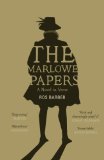
The Marlowe Papers

  1. The Marlowe Papers by Ros Barber
  2. Bring up the Bodies by Hilary Mantel
  3. Ignorance by Michèle Roberts
  4. NW by Zadie Smith
  5. The Forrests by Emily Perkins
  6. Honour by Elif Shafak
  7. Alif the Unseen by G Willow Wilson
  8. Life After Life by Kate Atkinson
  9. May We Be Forgiven by AM Homes
  10. Lamb by Bonnie Nadzam

Who will make the shortlist?

That question is almost impossible to answer as it is all down to the personal taste of the judges on the day, but I suspect their discussions will mainly involve the ten books I’ve listed above. I wouldn’t be surprised to see Gone Girl on the shortlist, but if I had to stick my neck out I’d predict these six books will make the cut:

  1. Bring up the Bodies by Hilary Mantel
  2. Life After Life by Kate Atkinson
  3. Ignorance by Michèle Roberts
  4. NW by Zadie Smith
  5. Alif the Unseen by G Willow Wilson
  6. The Marlowe Papers by Ros Barber

Who will win?

Hilary Mantel is the most likely contender, but I think there is a strong chance Kate Atkinson will pip her at the post on this one. Shame as all my fingers are crossed for The Marlowe Papers – it hasn’t received the attention it deserves.

The Marlowe Papers

Who do you think will make the shortlist?

Which books on the longlist did you enjoy reading?

Categories
Uncategorized

World Autism Awareness Day: The Best Fiction Books?

autismmonthToday is world autism awareness day. My eldest son has Asperger’s syndrome, a form of autism, and so I’m keen to spread the word about the condition and give as much information as I can.

The main problem with autism is that there are no outward physical signs of a disability. The general public has little awareness of the difficulties faced by those with autism, often assuming those with the condition are rude, naughty or stupid. Society places emphasis on our ability to socialise and although many people with autism are talented, intelligent individuals they find life difficult because the rest of the population fail to understand their needs.

Autism is a spectrum disorder, meaning that some people are more disabled than others, but all share the ‘triad of impairments’. They are:

  • difficulty with social communication
  • difficulty with social interaction
  • difficulty with social imagination

Many also suffer from a heightening of the senses, meaning that strong light, noise, smell or touch can be unplesant.

You probably know someone with undiagnosed autism.

It is estimated that one in every hundred people have autism, but a diagnosis is often only obtained for those at the more severe end of the spectrum.

Does this sound like someone you know?

  • Rigidly follows rules
  •  Talks endlessly about a single subject
  • Unable to understand facial expressions
  • Incapable of lying
  • Has inflexible routines
  • Thinks literally
  • Has difficulty understanding sarcasm

If you’d like more information the National Austic Society is a fantastic source of information.

The Best Fiction Books About Autism?

Since my son received his diagnosis I’ve made an effort to read as many books as possible containing autistic characters. Most have the factual details of the condition right, but very few capture the difficulties and emotions correctly.

Here are my favourites:
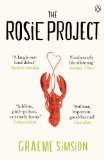
The Rosie Project

The Rosie Project by Graeme Simsion

An entertaining romance involving a man with Asperger’s syndrome. It is a fantastically positive book and is the first I recommend to someone looking for fiction involving autism.

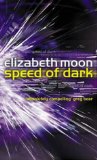
Speed of Dark

Speed of Dark by Elizabeth Moon

Speed of Dark is set in the near future, at the moment they find a cure for autism. This is a fantastic book that questions whether or not we’d be better off without autism in our society.

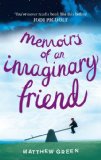
Memoirs Of An Imaginary Friend Note: Author is known as Matthew Dicks in the US

Memoirs of an Imaginary Friend by Matthew Green

This is a wonderful book for older children, but I loved it too. It is narrated by the imaginary friend of a child with autism and gives a fantastically original perspective on the condition. The audio book is particularly good.

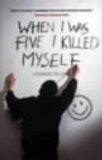
When I Was Five I Killed Myself by Howard Buten

This little gem deserves to be more widely known. It questions how responsible children are for their actions and is a gripping, forgotten masterpiece.

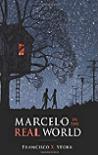
Marcelo in the Real World by Francisco Stork

This YA book questions whether or not we should force those with autism to integrate with society. It is entertaining and insightful and the book I am most likely to recommend to family members unfamiliar with autism.

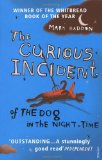
The Curious Incident of the Dog in the Night-time

The Curious Incident of the Dog in the Night-time by Mark Haddon

This modern classic was the first to bring autism to a wider audience. It remains one of the best books on the subject.

Which is your favourite book that deals with autism?

.

Categories
Uncategorized

March Summary and Plans for April

March has been a frustrating month reading-wise. A lot of books failed to live up to expectations and only Calamity Leek managed to really impress me. Luckily I’ve ended the month with some books that have started really well – Honour by Elif Shafak  is especially good. Hopefully it will end as well as it began.
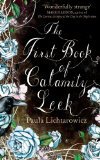
Book of the Month

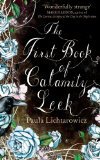
The First Book of Calamity Leek

Books Reviewed in March:

The First Book of Calamity Leek by Paula Lichtarowicz 

Ignorance by Michèle Roberts 

One Last Thing Before I Go by Jonathan Tropper (Audio Book) 

Secrecy by Rupert Thomson 

The Death of Bees by Lisa O’Donnell 

The Sunshine Years by Afsaneh Knight 

Big Ray by Michael Kimball 

Mateship with Birds by Carrie Tiffany 

Mr Mee by Andrew Crumey 

The Hare with Amber Eyes by Edmund de Waal stars21

Abandoned books: Alif the Unseen by G Willow WilsonThe Red Book by Deborah Copaken KoganJohn Saturnall’s Feast by Lawrence Norfolk,  and Hunger by Knut Hamsun

Plans for April

I’m hoping to finish the 2013 Women’s Fiction Prize Longlist before the shortlist is announced on 16th April. I only have 5 left to try so hopefully I’ll be able to manage it.

I then hope to finish all the books that I wanted to read in March, but didn’t get the chance to start:

Watership Down by Richard Adams

Magda by Meike Zervogel

The Russian Dreambook of Colour and Flight by Gina Ochsner

Amity & Sorrow by Peggy Riley

If I manage all those I’ll enjoy some random reading from my shelves!

For the next two weeks my boys are off school for the Easter holidays so I’ll be spending most of my time entertaining them. This means that my online presence maybe patchy, but hopefully I’ll be able to put together a post showing what we’ve been up to at the end of it all.

Have a wonderful Easter!