Categories
Other

February Summary and Plans for March

February was a reasonable reading month for me. There were lots of enjoyable books, but nothing stood out above the others. This means that for the first time ever there is no book of the month. 🙁

Books Reviewed in February:

Hope: A Tragedy by Shalom Auslander 

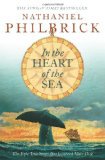
In the Heart of the Sea by Nathaniel Philbrick 

Wetlands by Charlotte Roache 

Traveller of the Century by Andrés Neuman 

The Dig by Cynan Jones 

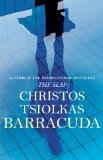
Barracuda by Christos Tsiolkas 

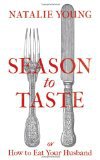
Season to Taste by Natalie Young 

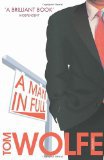
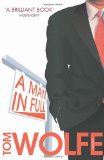
A Man in Full by Tom Wolfe 

Plans for March

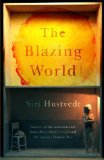
In preparation for the announcement of the Baileys Women’s Prize for Fiction I’m reading as many contenders as possible. I’ve just finished The Blazing World by Siri Hustvedt (review coming soon) and am half way through Eleven Days by Lea Carpenter and Good Kings, Bad Kings by Susan Nussbaum. I then plan to try The Tell-tale Heart by Jill Dawson and any other interesting book that gets a mention in the run up to the prize. Once the longlist is announced I plan to try any that are new to me and mix them with a few of these books:

Labor Day by Joyce Maynard

From the Fatherland With Love by Ryu Murakami

The Sound of One Hand Clapping by Richard Flanagan

Random Family by Adrian Nicole LeBlanc

I hope you have a wonderful March!

Categories
2000 - 2007 Non Fiction Uncategorized

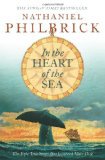
In the Heart of the Sea by Nathaniel Philbrick

In the Heart of the Sea: The Epic True Story that Inspired 'Moby Dick'

Five words from the blurb: whaleship, sinking, crewmen, dramatic, survival

In the Heart of the Sea is an account of the events that inspired Herman Melville to write Moby Dick. In 1820 the whaleship Essex was attacked by a spermwhaleBy combining historical narratives, Philbrick gives a shocking insight into the plight of the twenty crewmen who escaped into lifeboats in the middle of the Pacific. It is a gripping story that shows what happens to the human body when it is starved of food and water, but it is also a chilling reminder of what people are capable of doing in order to survive.

I found the first third of this book slow going. This was because it gave a solid introduction to the whaling industry – facts I was already familiar with from reading the outstanding Leviathan by Philip Hoare. I can’t fault this section and don’t feel it should have been written differently, it is just unfortunate in being the second to inform me of these facts.

Luckily the story quickly began to take a route I was unfamiliar with. The book clearly explained what life at sea was like and I was gripped to the adventure, willing the men to survive. The details of what happened to them as they became dehydrated were disturbing to read, but I also found them strangely fascinating:

Morning came quickly and, with it, a return to the agonies of hunger and thirst. They were now so severely dehydrated that they had begun to lose the ability to speak. “Relief,” Chase wrote, “must come soon, or nature would sink.” They wandered the beach like ragged skeletons, pausing to lean against trees and rocks to catch their breath. They tried chewing the waxy green leaves of the shrubs that grew in cliffs, but they were bitter to taste. They found birds that made no attempt to escape when they plucked them from their nests. In the crevices of the rocks sprouted a grass that, when chewed, produced a temporary flow of moisture in their mouths. But nowhere did they find fresh water.

The period detail was fantastic and the life of a whaler was brought vividly to life. I also liked the way it documented what happened to the women who had been left behind on Nantucket. Their independent life was inspiring to read, showing how a community coped without men in a time when many thought it wrong/impossible.

If you like historical fiction packed with adventure then this is for you. The fact it is all true only adds to its brilliance.


Categories
Orange Prize Other Uncategorized

Who will the longlisted for the 2014 Baileys Women’s Prize for Fiction?

On 7th March the longlist for the 2014 Baileys Women’s Prize for Fiction will be announced. Previously known as the Orange Prize, it is awarded to the best full length novel, written by a women, that has been published in the UK between 1st April 2013 and 31st March 2014.

It has been an amazing year for female writers and I found it very easy to think of books that deserve a place on the list. Narrowing it down to a shortlist will be very tricky, but here are the books that I predict will make the longlist:

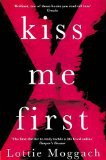
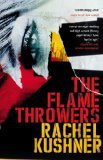
The Signature of All ThingsMy Notorious LifeKiss Me FirstThe Flamethrowers

The Signature of All Things by Elizabeth Gilbert

My Notorious Life by Kate Manning

Kiss Me First by Lottie Moggach

The Flamethrowers by Rachel Kushner

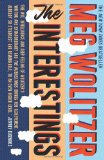
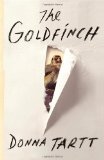
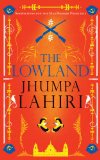
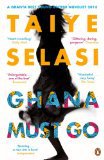
The InterestingsThe GoldfinchThe LowlandGhana Must Go

The Interestings by Meg Wolitzer

The Goldfinch by Donna Tartt

The Lowland by Jhumpa Lahiri

Ghana Must Go by Taiye Selasi

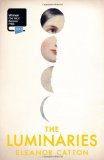
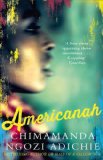
The LuminariesAmericanahThe Blazing WorldThe Golem and the Djinni

The Luminaries by Eleanor Catton

Americanah by Chimamanda Ngozi Adichie

The Blazing World by Siri Hustvedt

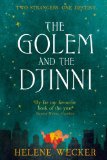
The Golem and the Djinni by Helene Wecker

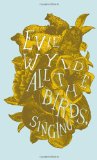
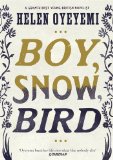
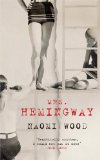
All the Birds, SingingBoy, Snow, BirdMrs. HemingwayThe Night Guest

All the Birds, Singing by Evie Wyld

Boy, Snow, Bird by Helen Oyeyemi

Mrs. Hemingway by Naomi Wood

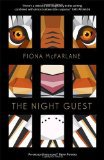
The Night Guest by Fiona McFarlane

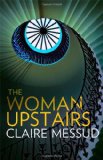
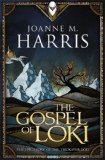
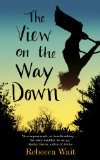
The EngagementThe Woman Upstairs The Gospel of LokiThe View on the Way Down

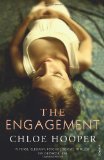
The Engagement by Chloe Hooper

The Woman Upstairs by Claire Messud

The Gospel of Loki by Joanne Harris

The View on the Way Down by Rebecca Wait

What do you think of my selection? 

Who do you think will make the Baileys Women’s Prize for fiction longlist?


Categories
Film Other

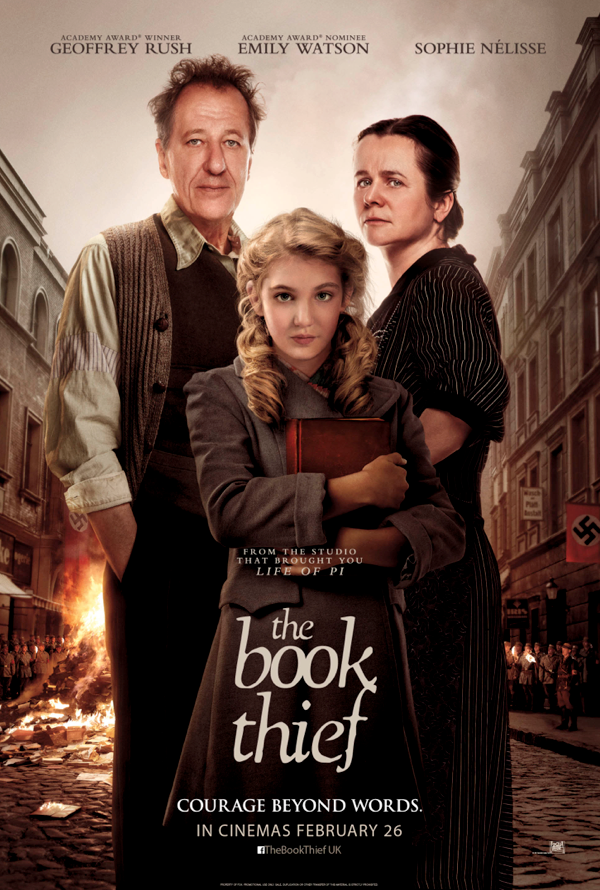
The Book Thief: Film Review

bookthiefI loved reading The Book Thief so was excited to be invited to a special preview screening of the film at the beginning of the month. I was worried about how they’d convert it onto the big screen, especially Death’s narration of events, but luckily my concerns weren’t justified as The Book Thief was a fantastic film and was just as moving as Zusak’s book.

The Book Thief beautifully captured the difficulties faced by German citizens during WWII – a side of the story rarely heard in the UK. It showed the dilemmas faced by ordinary people and the suffering they endured as the war progressed. The acting was flawless and the characters were all well cast. I especially liked Sophie Nélisse’s portrayal of Liesel. She managed to capture a childhood innocence whilst also showing resilience and strength in the face of adversity.

The pace was perfect and I was gripped throughout. It followed the plot of the book very closely and whilst a few scenes were left out this was made up for by the visual impact. Both the book and film contained a wonderful roller-coaster of emotion, but I don’t remember vivid descriptions in the book. Seeing the period detail of the houses, clothes and streets added an extra layer of impact to the story.

The director, Brian Percival, spoke to us briefly before the screening and he explained that he wanted The Book Thief to introduce young teenagers to the subject of the Holocaust. This meant he shied away from graphic scenes and ensured everything was suitable for a young adult audience. I don’t think this hampered the film at all. In fact I think it made some of the scenes more shocking as the observer was left to fill in the details themselves.

The only negative aspect of the film was the language. Most of the actors spoke English, but some original German news footage was included (with English subtitles) and occasionally side characters spoke in German. Common words like “ja” and “nein” seemed to be in German all the time. The switch between languages was sometime jarring – especially when one character spoke in German and another replied was in English. I’d have preferred the entire film to have been in German, but I appreciate that this wouldn’t work for a mainstream audience. It didn’t detract from my enjoyment of the film as a whole, but I’d have preferred more consistency in the language used.
Overall this was a wonderful film. It might even be one of those rare examples of where the film is better than the book. I highly recommend watching it!

.

The Book Thief is previewed in the UK this week and on general release from the 26th February.

Here’s the trailer to whet your appetite:

Categories
Other Uncategorized

Brief thoughts: A Man in Full, Season to Taste and Barracuda

A Man In Full

A Man in Full by Tom Wolfe

Five words from the blurb: entrepreneur, Atlanta, debt, idealistic, deliverance

This book started really well. The character development was fantastic and I quickly became attached to a wide variety of people. Unfortunately the plot seemed to stall in the middle and I completely lost interest. I only continued as I have developed an interest in stoicism and wanted to see how the book handled the subject. Unfortunately it didn’t handle it well. It quoted all the basic principles, but failed to develop them or apply them to the characters with any real meaning. I’m disappointed I wasted so much time with this 800 page chunkster.
 

Season to Taste or How to Eat Your Husband

Season to Taste by Natalie Young

Five words from the blurb: husband, dispose, body, subversive, aftermath

This book contained gruesome scenes of a woman eating her husband after murdering him in their garden. It was gripping throughout, but unfortunately it lacked depth. I felt the book was written purely to provoke controversy as it failed to address any moral issues. There were also several plot points that didn’t add up (eg. why didn’t she just feed him to her massive dog?) Recommended to those looking for an absorbing read, but don’t expect it to stand up to much scrutiny.

.

Barracuda

Barracuda by Christos Tsiolkas

Five words from the blurb: swimmer, rich, sacrifice, family, dream

I loved The Slap so was disappointed when Barracuda failed to have the same impact on me. I didn’t go to private school and have no interest in competitive swimming so that might explain why it didn’t captivate me as much as a book about the politics of slapping a child. The overall story was OK, but it dragged in places. I’d recommend The Slap over this every time.

.

Categories
Other

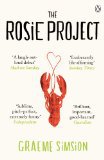
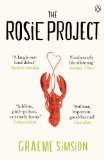
The Rosie Project: Ten Things I Didn’t Know Yesterday

The Rosie Project

This morning I went to a “superfan” event with Graeme Simsion, author of The Rosie Project. It was great to be invited as I’ve hand-sold more copies of this book than a full-time employee at a book-shop! I want the world to read its positive messages about Asperger’s and so have recommended it to a wide-range of people. Those within the autism community have been especially grateful to be introduced to The Rosie Project as it is the first entertaining book on the subject. It manages to treat the condition with respect, whilst promoting tolerance and hope.

I thought I knew a lot about the book, but Graeme Simsion entertained us with many new snippets of information. Here are the top ten things I learnt about The Rosie Project:

WARNING: SPOILERS!!

  1. The book started life as a screen play set in America.
  2. In an early draft Rosie was a Hungarian physicist called Klara.
  3. Don is based on a man Graeme Simsion has known for 30+ years.
  4. Simsion was inspired to write the book after seeing how this friend cared for his wife when she was diagnosed with multiple sclerosis.
  5. Graeme Simsion did no research into Asperger’s before writing the book. Everything is based on his observations of those working in the IT industry.
  6. The title was chosen because in Australia the first syllable of “Rosie” rhymes with “project”.
  7. In the first draft of the book Gene was Rosie’s father.
  8. The cocktail scene is based on a real event, one in which Simsion met his wife.
  9. Graeme Simsion has just finished the sequel. It is about what happens when Rosie discovers that she’s pregnant.
  10. Simsion is currently writing a book with his wife. It is a romantic comedy in which she is writing chapters from a female perspective and him the male.

I highly recommend going to see Graeme Simsion talk – he is entertaining, intelligent and full of interesting information. He is currently touring the UK – you can find details of where he’ll be here.