 Winner of the 1939 Pulitzer Prize for Fiction
Five words from the blurb: Florida, swamp, dangerous, life, survival
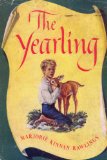
The Yearling won the Pulitzer Prize for Fiction in 1939. I hadn’t heard of it until I stumbled across a mention of the author in a Florida guidebook, but as I always like to read books set in the places I’m staying I ordered a copy for my holiday. I’m not sure if it is more famous in America, but it certainly deserves more attention than it currently gets.
The Yearling is a vivid portrayal of one family struggling to survive in the wilderness in a time before the luxury of electricity or running water. They are continually at risk of starvation, but they must also battle with the elements and the local wildlife. Rattlesnakes lurk in the undergrowth, wolves try to steal their animals, and bears occasionally come too close for comfort. The story was quite simple, but the adventure of their everyday lives captivated me.
The clearing itself was pleasant if the unweeded rows of young shafts of corn were not before him. The wild bees had found the chinaberry tree by the front gate. They burrowed into the fragile clusters of lavender bloom as greedily as though there were no other flowers in the scrub; as though they had forgotten the yellow jessamine of March; the sweet bay and the magnolias ahead of them in May. It occurred to him that he might follow the swift line of the flight of the black and gold bodies, and so find a bee-tree, full of amber honey. The winter’s cane syrup was gone and most of the jellies. Finding a bee-tree was nobler work than hoeing, and the corn could wait another day.
I loved everything about this book! The descriptions were vivid, bringing the swamps of Florida to life with an incredible accuracy. I may be biased because I read the book as I was visiting places similar to those mentioned, but that is the joy of picking perfect holiday reading material!

The characters were brilliantly drawn – I felt a deep emotional connection to them all and found myself involved in a rollercoaster of emotion as I willed them to survive. I was particularly impressed by the way the different generations were given their own set of values and characteristics. The interactions between them all felt incredibly realistic and I understood why they reacted differently to the situations they were presented with.
The ending was especially good. I won’t spoil anything, but the underlying messages were impressive and I will be thinking about them for a long time to come. The coming-of-age aspects of this book make it particularly good for teenagers and I think this would make a great addition to school reading lists.
There weren’t really any negatives for this book, but some people might find the scenes of hunting and animal butchery disturbing. I found them fascinating and loved the detailed descriptions of this almost-lost way of life.
Overall I can’t fault this book. It was perfectly paced, contained some of the most realistic characters I’ve ever come across and combined these with wonderful descriptions of the natural world. It’s the best book I’ve read so far this year. Highly recommended.

.
Have you read any books written by Marjorie Kinnan Rawlings?
Are her others as good as this one?