Five words from the blurb: write, bestseller, succeeds, fame, gleeful
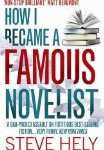
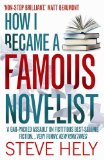
How I Became A Famous Novelist is a satire of the publishing industry. The central character, Pete Tarslaw, decides to become an author in order to impress his ex-girlfriend. He doesn’t have any idea what to write about and so researches the bestseller lists with the aim of creating a book that will appeal to as many people as possible. He comes up with a series of rules for his book and shapes the plot around them – leading to a novel that contains a ridiculous number of themes and plot threads.
Rule 4: Must include a murder
Sixty percent of that week’s bestselling novels involved killings. Glancing around the bookstore, I estimated that fifty thousand fictional characters are murdered each year. Not including a murder in your book is like insisting on playing tennis with a wooden racket. Noble perhaps in some stubborn way, but why handicap yourself?
I normally struggle with satirical novels, but this book had me laughing out loud on several occasions. It is an insightful parody of the current publishing industry and no-one is safe from mockery – I particularly enjoyed reading the sections about bloggers.
The only downside to this book is that everything he writes is true – the title could easily be changed to How to Become a Famous Novelist, and the text taken literally by an aspiring author to create a publishable book.
I flew through this entertaining story, finding several sections so amusing that I made my friends and family read them too.
Writing a novel – actually picking the words and filling in paragraphs – is a tremendous pain in the ass. Now that TV’s so good and the Internet is an endless forest of distraction, it’s damn near impossible. That should be taken into account when ranking the all-time greats. Somebody like Charles Dickens, for example, who had nothing better to do except eat mutton and attend public hangings, should get very little credit.
I highly recommend this book to anyone with an interest in the publishing industry.

.
The thoughts of other bloggers:
I can’t see why anyone who likes to read wouldn’t want to check out this hilariously funny, spot-on satire of popular fiction. Life With Books
However, it can feel a bit light and fluffy due to its readability and how neatly everything is squared away at the end. The Literary Omnivore
Part of the fun in reading this story is seeing if you can guess who the real life models might be for those authors that he critiques. At Home With Books